


Behind the shelves of books, historical photographs and archival collections lies a story spanning generations. The University of the District of Columbia’s libraries have long served as places where students discover new ideas, faculty pursue research and the university’s history is preserved. From the earliest days of its predecessor institutions to today’s digital resources, the libraries have evolved to meet the changing needs of the UDC community.
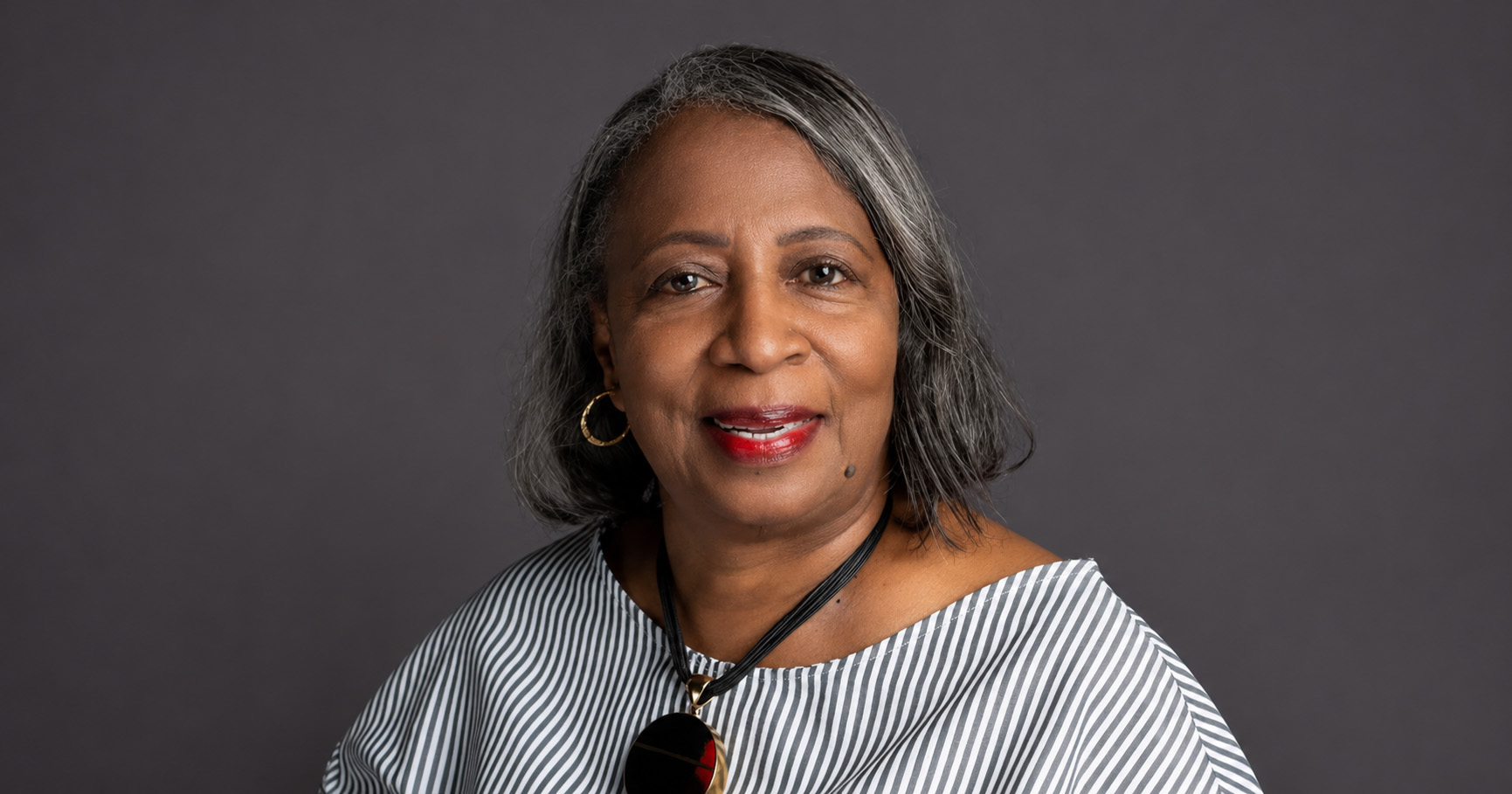
In the latest installment of the UDC at 175 series, Melba Broome, who has led the university’s Learning Resources Division and University Library since 2007, reflects on how UDC’s libraries have evolved, the historical collections they preserve and their continuing role in supporting teaching, learning and research.
PLJ: As UDC celebrates its 175th anniversary, what role have its libraries played in supporting the university’s educational mission, and how has that role evolved over time?
MB: As the University of the District of Columbia (UDC) celebrates its 175th anniversary, its libraries can be viewed as both a reflection of the institution’s history and a key driver of its educational mission. From UDC’s earliest roots in the Miner Normal School, founded in 1851 to expand educational opportunities for African Americans, to today’s modern public university, the library has evolved from a traditional repository of books into a multifaceted center for learning, research, technology and community engagement.
The roles of UDC’s libraries have fundamentally supported and mirrored the university’s evolving educational mission in several distinct ways:
- Preserving institutional legacy and cultural history: UDC’s library system houses specialized historical repositories that safeguard both the university’s identity and the broader community narrative.
- Transitioning from book repositories to innovation hubs: Over time, the library’s role has shifted dramatically from a traditional, static print repository into a modern, dynamic center of digital learning and innovation.
- Fostering resource sharing through consortia: As UDC expanded its curriculum across six schools and its community college, the libraries extended their reach through regional partnerships. As a member of the Washington Research Library Consortium (WRLC), the UDC library grants students and faculty access to the physical and digital holdings of other major universities across the Washington metropolitan region.
- Cultivating diverse, multicampus environments: To support UDC’s mission of meeting adult learners and workforce students where they are, the library system operates tailored campus locations, including a traditional presence at the Van Ness Campus and a specialized location at the Lamond-Riggs Campus.
PLJ: University libraries often serve as custodians of institutional memory. What collections, archival materials or historical resources help preserve UDC’s history and the stories of its predecessor institutions?
MB: UDC’s institutional memory is preserved through a combination of University Archives, Special Collections, historical records, photographs, publications and archival materials documenting both UDC and its predecessor institutions. According to UDC archival resources, these collections help safeguard the university’s history dating back to 1851 and ensure that the stories of students, faculty and the District’s educational legacy remain accessible to future generations.
For faculty, students, researchers, alumni and community members, the UDC Archives serve not only as a repository of documents but also as a means of preserving the voices, achievements and experiences that have shaped both UDC and the broader history of education in the District of Columbia.
PLJ: Having witnessed changes in academic libraries and higher education, what developments have most significantly transformed the way UDC students and faculty access information, conduct research and engage with library resources?
MB: Having witnessed the evolution of academic libraries and higher education, I believe the most significant transformation has been the shift from libraries serving primarily as physical repositories of information to becoming dynamic, technology-rich learning and research environments.
At the University of the District of Columbia, this evolution has changed how students and faculty discover information, conduct research, collaborate and engage with knowledge. Several developments stand out:
The transition from print to digital resources: The availability of electronic books, online journals and multidisciplinary databases has fundamentally changed access to information.
The growth of online discovery and research tools: Advances in library catalogs, discovery systems and electronic databases have made it easier to search across multiple collections and identify relevant scholarly materials.
The changing role of librarians: Librarians have evolved from locating books and other materials to serving as research partners, instructors and guides in the information landscape. At UDC, this role is especially important as we support undergraduate and graduate students, doctoral researchers and faculty.
The integration of technology into teaching and learning: Learning management systems, virtual instruction, multimedia resources and collaborative technologies have created new ways for libraries to connect with students and faculty.
The emergence of artificial intelligence and new research technologies: AI is transforming how people discover, summarize and interact with information. While these tools offer exciting possibilities, they also make the librarian’s role in teaching critical thinking, research ethics, source verification and responsible technology use even more essential.
PLJ: Beyond providing access to books and research materials, how do UDC’s libraries contribute to student success, academic achievement and the development of critical research and information literacy skills?
MB: UDC’s libraries contribute to student success in ways that extend far beyond providing access to books, databases and research materials. We serve as partners in teaching, learning and academic achievement, helping students develop the skills, confidence and independence they need to succeed at the University of the District of Columbia and beyond.
One of our most important contributions is information literacy. We teach students how to identify credible sources, evaluate information critically, recognize misinformation and bias and use evidence to support their ideas and arguments. Our librarians also collaborate with faculty to integrate library instruction into courses and assignments, helping students strengthen their research, writing and analytical skills.
PLJ: Is there a particular collection, initiative or lesser-known resource within UDC’s libraries that you believe deserves greater attention? What makes it significant to the university or the wider District community?
MB: One resource I believe deserves greater attention is the University of the District of Columbia’s University Archives and historical collections, particularly the materials that document UDC’s history and the legacy of its predecessor institutions. These collections tell a story that extends beyond the university itself — they reflect the educational aspirations, achievements and contributions of generations of students, faculty and community leaders in the District of Columbia.
What makes these collections especially significant is that they preserve the stories of institutions such as Miner Normal School, Wilson Teachers College, Federal City College and Washington Technical Institute. They document UDC’s longstanding commitment to expanding educational opportunity, including the education of African Americans, and provide primary sources that help students and researchers understand the university’s role in the District’s educational, social and cultural history.
I would also highlight the Felix E. Grant Jazz Archives, a distinctive resource that preserves the legacy of jazz through recordings, photographs, correspondence, interviews and other historical materials. This collection connects UDC to Washington’s rich musical heritage and offers opportunities for research, teaching and cultural engagement that extend well beyond the university.
I believe we have an opportunity to bring these resources to greater public attention through digital access, exhibits, classroom collaborations and partnerships with local schools and community organizations. Our libraries do more than preserve information; they preserve voices, experiences and histories that might otherwise be overlooked. By making these collections more visible and accessible, we can strengthen UDC’s connection to the District of Columbia, inspire future generations of researchers and demonstrate the university’s enduring contribution to the life and history of our community.
PLJ: Looking ahead, how do you envision UDC’s libraries evolving to meet the needs of future generations of students, particularly as digital technologies and artificial intelligence continue to reshape research and learning?
MB: I envision UDC’s libraries continuing to evolve into even more dynamic, technology-rich learning environments that go beyond traditional library services to become essential partners in teaching, learning, research, innovation and student success. As digital technologies and artificial intelligence continue to reshape higher education, our libraries must remain responsive to the changing needs of students while preserving the human connection that is central to the educational experience.
I see greater integration of artificial intelligence, digital research tools, immersive technologies and online resources that allow students to access information, collaborate and learn in new and engaging ways. Equally important, our librarians will continue to play a vital role in helping students develop information literacy, evaluate the credibility of information, use AI responsibly and ethically and become critical thinkers and independent researchers.
I also envision our libraries expanding digital collections, strengthening archival preservation and creating more flexible, collaborative spaces that support different learning styles and academic disciplines. At UDC, we must ensure that all students have equitable access to the technologies, resources and expertise they need to succeed, regardless of their backgrounds or circumstances.
Ultimately, the future of UDC’s libraries is not simply about adopting new technologies; it is about using those technologies purposefully to expand opportunity, strengthen academic achievement and prepare students for a rapidly changing world. By combining innovation with personalized support, collaboration and a commitment to lifelong learning, UDC’s libraries will continue to be a cornerstone of student success and an essential resource for future generations of students, faculty and the wider District of Columbia community.