


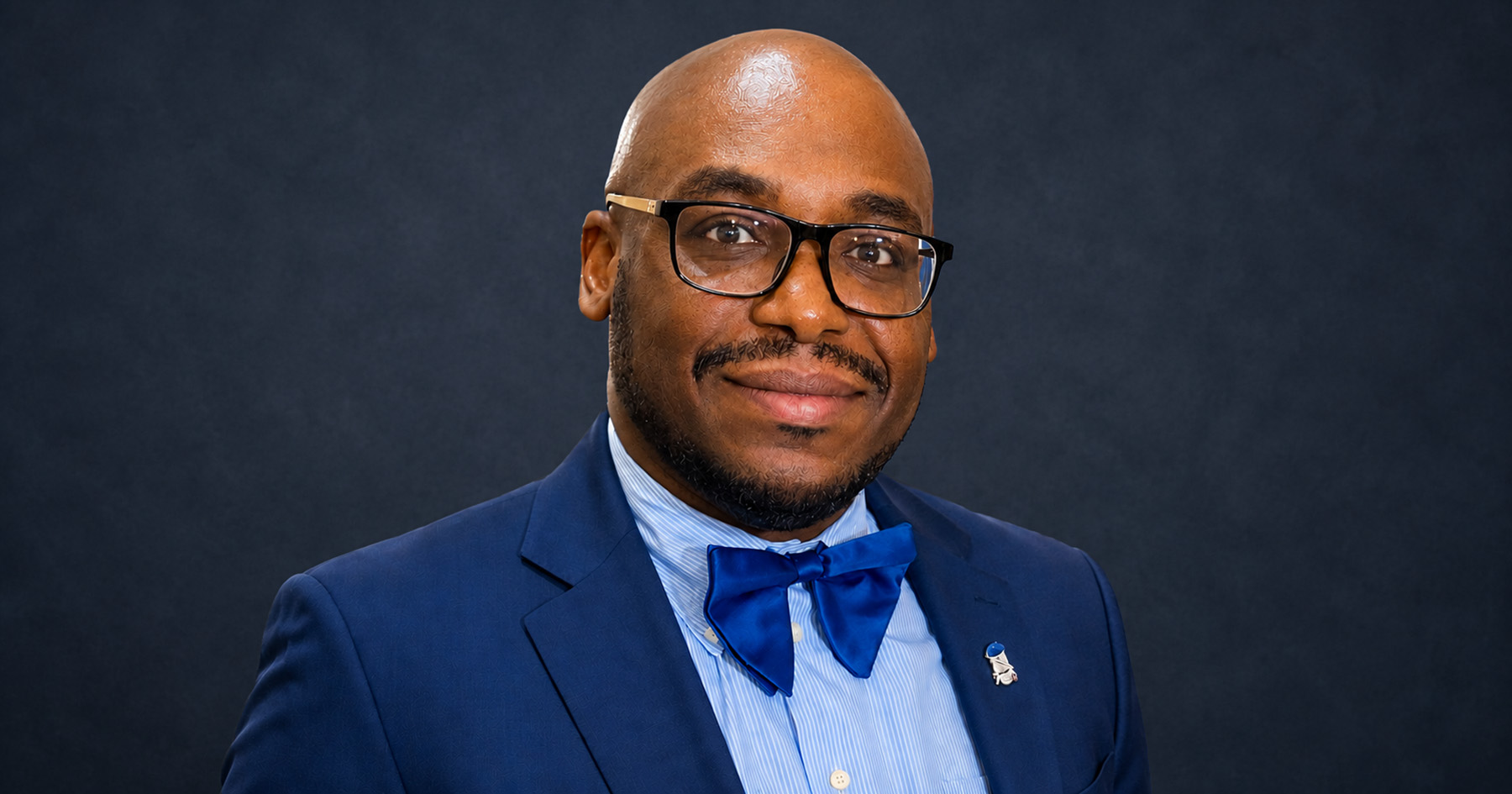
As UDC looks beyond its 175th anniversary, Chief Operating Officer David Franklin is focused on the systems, spaces and infrastructure that will help carry the university into its next chapter.
From modernizing technology and campus facilities to strengthening operations, emergency preparedness and financial sustainability, Franklin’s work touches nearly every aspect of the university experience. In this UDC 175 conversation, he discusses the investments UDC is making today to better serve students, faculty and staff — and position the District’s public university for the future.
PLJ: As UDC prepares for its next chapter, what investments in infrastructure, technology and operations will be most critical to the university’s success?
DF: As UDC looks toward the future, our investments must create an environment where innovation, efficiency and student success go hand in hand. The university’s future success depends on strengthening its digital foundation, remodeling core operations, enhancing data-informed decision-making and leveraging emerging technologies to improve the experience of students, faculty and staff while advancing academic excellence and student support.
To achieve this vision, we are continuing to modernize campus infrastructure, expand digital capabilities and strengthen the operational systems that support teaching, research and student services. This includes investing in smart classrooms, resilient and sustainable facilities, cloud-enabled technology infrastructure and integrated enterprise systems that improve everything from enrollment and financial services to human resources and procurement. We are also striving to leverage AI and workflow automations to improve administrative efficiency and streamline business processes while maintaining strong governance and accountability.
In addition, we are enhancing our campus facilities through strategic capital improvements that improve accessibility, convenience and long-term value. A key example is our plan to automate the campus parking garage, which will improve the experience for students, faculty, staff and visitors by reducing long wait times to enter and exit the facility. The automated system will also create new revenue opportunities by enabling the university to lease parking spaces during non-peak hours, maximizing the value of an existing campus asset while supporting operational efficiency and financial sustainability.
PLJ: Students often experience the university through its services, technology and physical spaces. How does operational excellence influence student success and institutional effectiveness?
DF: Students experience the university long before they enter a classroom. Every interaction, from registering for classes and accessing financial aid to connecting with technology or walking across campus, shapes their perception of the institution.
Operational excellence means creating seamless, responsive and reliable experiences that remove barriers to success. When our systems work efficiently, our facilities are well-kept and welcoming and our services are accessible, students can focus on what matters most: learning, growing and achieving their goals.
At the same time, none of these investments can achieve their full impact unless students, faculty, staff and visitors feel safe. A safe campus is the bedrock of student success. That is why strengthening our emergency management program is a strategic priority. We are committed to enhancing emergency preparedness through comprehensive planning, coordinated response protocols, modern communication systems, regular training and exercises and strong partnerships with public safety agencies.
Strong operations also strengthen institutional effectiveness by allowing our faculty and staff to spend more time serving students and less time navigating administrative challenges. By investing in outstanding services, innovative technology, welcoming physical spaces and a robust emergency management program, UDC is creating an environment where students feel supported, secure and empowered to succeed.
PLJ: What operational transformation has positioned UDC most effectively for the future?
DF: One of the most significant transformations has been our commitment to modernizing both our infrastructure and our business operations simultaneously. Rather than viewing facilities, technology, human capital and administrative services as separate functions, we have taken an integrated approach that aligns every aspect of our operations with the university’s strategic priorities.
We have strengthened project management, expanded technology solutions, improved operational planning, introduced a diversified talent management strategy and focused on creating more efficient, transparent processes across the institution.
Equally important is our commitment to developing a comprehensive compensation philosophy that positions UDC to attract, reward and retain exceptional talent. Our faculty and staff are our greatest asset, and a clearly defined compensation philosophy will establish a transparent, equitable and market-informed framework for compensation decisions. By aligning compensation with performance, assessing internal bench strength, instilling institutional values and anticipating workforce planning needs, we are investing in the people who drive student success, research excellence, operational efficiency and institutional innovation.
By enhancing our operations and building a talent management strategy and compensation philosophy that values and supports our workforce, UDC is creating the groundwork for an exceptional employee experience, a high-performing and engaged organizational culture and long-term institutional success.
PLJ: How is UDC modernizing its infrastructure and operations to meet the evolving needs of students, faculty and staff?
DF: Modernization at UDC means creating an environment that supports today’s learners while preparing for tomorrow’s opportunities. By investing in secure digital infrastructure, modern enterprise platforms, process improvement and emerging technologies, the university is enhancing the academic enterprise, empowering faculty and staff, strengthening institutional effectiveness and delivering more responsive, student-centered services.
Key initiatives include advancing cloud transformation to modernize enterprise systems and infrastructure; expanding network capacity, wireless coverage, classroom technologies and digital infrastructure to support teaching, learning, research and hybrid work; and improving the delivery of IT services through responsive support, stakeholder engagement and user-focused technologies.
One example is the expanded use of the full suite of Jaggaer procurement platforms and portals. We are working to streamline purchasing processes, reduce administrative challenges, improve transparency and ensure that departments can obtain the goods and services they need in a timelier and more efficient manner.
Dynamic operations require continuous improvement, collaboration across departments and a culture that embraces innovation while remaining centered on service. By aligning infrastructure investments, digital transformation initiatives and operational excellence, UDC is creating a more seamless campus experience while positioning the university to adapt, innovate and thrive in a rapidly changing higher education landscape.
PLJ: The 175th Anniversary Gala demonstrated strong support for UDC’s mission and future. How do investments in students complement investments in the university’s operational foundation?
DF: Investing in students and investing in the university’s operational foundation are not competing priorities; they are inseparable. A world-class student experience depends on a strong operational framework, and effective operations exist to advance student success.
Scholarships, academic programs, student support services and experiential learning opportunities help students reach their full potential. At the same time, state-of-the-art facilities, reliable technology, efficient operations and safe, welcoming learning environments create the conditions that allow those investments to have their greatest impact.
Equally important is strengthening partnerships with businesses, government agencies, nonprofits and industry leaders to expand internships, cooperative education, research opportunities and other hands-on learning experiences. These partnerships ensure that students graduate with not only a degree but also the practical experience, professional networks and career-ready skills that today’s workforce demands.
These investments also create a lasting cycle of engagement and impact. Students who benefit from meaningful educational experiences, strong industry connections and successful career outcomes are more likely to remain connected to the university as alumni. As they advance in their careers, they become mentors, internship sponsors, employers, advocates and philanthropic supporters who help create opportunities for future generations of students.
The tremendous support demonstrated during our 175th Anniversary Gala reaffirmed that our community believes in UDC’s mission and future. Every investment in our students and our operational infrastructure strengthens the university’s ability to deliver transformational educational experiences and develop the next generation of leaders.
PLJ: What opportunities do you see for strengthening UDC’s capacity to serve the District over the next decade?
DF: UDC has a unique opportunity to deepen its role as the District’s public university by expanding partnerships, embracing innovation and continuing to modernize the way we serve our community.
As Washington, DC, continues to evolve, the university can strengthen workforce development and employee training, support economic growth and prepare students for emerging industries through strategic investments in facilities, technology and academic infrastructure. We also have opportunities to enhance community engagement, improve operational efficiency and build stronger collaborations with government, industry and nonprofit partners.
Our goal is to ensure that UDC remains a trusted resource for education, research and public service while continuing to reflect the needs and aspirations of the District we proudly serve.
PLJ: What excites you most about UDC’s next chapter?
DF: What excites me most is the opportunity to position UDC as a more agile, financially sustainable and student-centered institution that is prepared to meet the needs of future generations. Beyond the progress we have already made, we are focused on building the financial and organizational flexibility needed to pursue new opportunities and respond quickly to changing student and community needs.
One way we are approaching this is by developing a more agile budgeting model that enables us to strategically reallocate resources as institutional priorities evolve while ensuring long-term fiscal stability. Implementing a flexible financial framework allows us to respond to emerging opportunities and position the university for a financially sustainable future.
One of the most transformative opportunities before us is advancing plans for UDC’s first student residential campus. With a potential completion date of 2029, this project represents far more than a new facility — it reflects our vision of creating a vibrant living-learning environment that strengthens student engagement, supports recruitment and retention and enhances the overall campus experience. Residential housing will strengthen our ability to recruit students from across the District, the region and beyond. A residential campus would be a historic milestone for the university and a strategic investment that will help position UDC for long-term growth and competitiveness.
In the end, capable stewardship isn’t simply about maintaining what we have; it is about enabling conditions that allow our students, faculty and staff to thrive. By combining innovative infrastructure — including new student residential housing — with state-of-the-art technology and disciplined financial stewardship, we can ensure UDC remains a resilient, forward-looking institution that delivers exceptional value to the District and the communities we serve.