


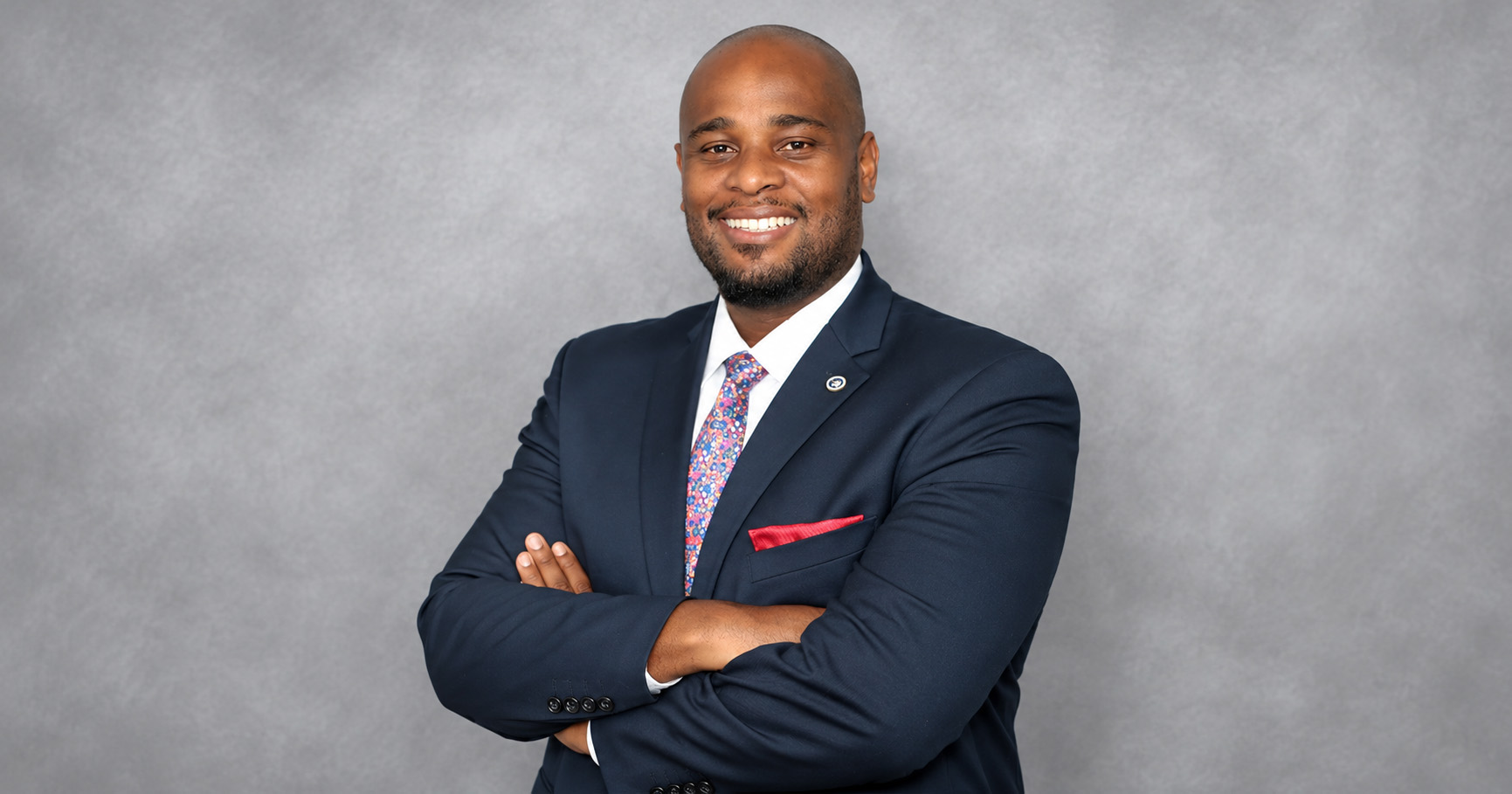
When Stephan Byam considers a new technology or a potential industry partnership, he starts with a question: How will it help UDC students succeed?
For the university’s vice president of information technology, the answer can extend beyond software and systems. A vendor might offer internships, introduce students to careers in the field or find other ways to contribute to campus life. Having benefited from the opportunities and support of an HBCU himself, Byam sees those connections as part of his work.
As UDC marks its 175th anniversary, Byam discusses how technology is changing the way the university serves students, where artificial intelligence can help and why listening to the people who use these tools remains essential.
PLJ: UDC’s 175-year history is rooted in expanding access to education and opportunity. As someone who has served the university in several leadership capacities, how has that mission shaped your approach to technology and institutional progress?
SB: I am someone who has been a beneficiary of the opportunity, investment and support from an HBCU, so UDC’s mission feels personal to me. It shapes how I think about technology. I always come back to a simple question: How does what we do in IT improve the student experience or help students succeed?
That’s why, when we work with vendors, we ask what else they can bring to the table. Can they offer internships, speak to our students about careers in their field or find other ways to engage with our campus? Those opportunities are part of the value a technology partnership can bring to UDC.
PLJ: You’ve witnessed firsthand how technology has changed the way universities operate, teach and serve students. What changes at UDC have been most significant during your tenure, and what do they reveal about the university’s evolution?
SB: I think one of the big game changers has been our implementation of Salesforce. With Salesforce, we didn’t just implement technology, but we implemented change: change in how we engage students, change in how we serve them seamlessly and how we ultimately design a more student-centric experience.
PLJ: Technology is often discussed in terms of systems, infrastructure and efficiency, but its impact is ultimately human. Can you share an initiative or experience that illustrates how technology has made a meaningful difference in the lives of UDC students, faculty or staff?
SB: Technology as a tool is a capacity-builder. One example is how we use AI to look for patterns in our help desk tickets. When we see the same question or issue coming up, we can ask whether clearer instructions, better communication or a fix to the underlying problem could prevent the next person from having to call us.
That helps our team be more proactive, but the part that matters most to me is giving people time back. The less time a student, faculty member or staff member spends trying to resolve a technology issue, the more time they have for the work they came here to do.
PLJ: UDC has long served students from a wide range of backgrounds and circumstances. How can the university ensure that advances in technology expand opportunity rather than create new barriers for those it serves?
SB: Ah, the great divider and the great equalizer: That’s why we have to meet students where they are. For one student, that might mean being able to complete an important task on a phone because that’s the device they have with them. For another, it might mean having someone walk them through a tool the first time they use it.
And students who are already comfortable with technology may need help seeing how it can support their academic or career goals. The more we listen to students about what’s getting in their way, the better we can design services that work for them.
PLJ: As artificial intelligence reshapes higher education, universities face important questions about innovation, ethics and the human dimensions of learning. How do you envision UDC navigating these challenges while remaining true to its mission?
SB: By jumping right in: I think we have to get in there and learn by doing. A lot of people already encounter AI in everyday tools without realizing it. At UDC, we can give faculty and students room to experiment while being clear about protecting student information, checking what AI produces and knowing when to rely on their own judgment.
I also think the basics matter even more now. Students need to know how to ask good questions, evaluate evidence and explain their reasoning. Those skills give them a foundation for deciding when AI is useful and when they need to do the thinking themselves.
PLJ: UDC’s strategic plan, Delivering on the Promise, calls for continued institutional transformation. What progress are you most proud of in strengthening the university’s technological capabilities, and what important work remains?
SB: I’m proud of what we’ve done as a team. We’ve strengthened cybersecurity, made it easier for students to get help through Salesforce and reduced operating costs so the university has more room to invest in students.
There’s always more work to do in cybersecurity. I’m also looking forward to our move to Banner SaaS, which gives us an opportunity to make the student information system easier to use and explore how tools like agentic AI could improve student services.
And I think we’re just scratching the surface of what we can do with industry partners to help students move from the classroom into internships and, ultimately, into careers.
PLJ: As you reflect on UDC’s 175-year journey and look toward its bicentennial, what do you hope will define the university’s next chapter, and what role will technology play in realizing that vision?
SB: I hope UDC’s next chapter is defined by how far we can extend the access and opportunity that have always been part of our mission. We’re a public university in the nation’s capital, and there’s a lot that UDC and Washington, DC, have to offer learners here and around the world.
I want more people to be able to benefit from that, even if they can’t come to campus. Technology can help us reach those learners and connect them to a UDC education, the support to succeed and opportunities to build their careers.
This interview has been lightly edited for clarity and style.