Skip To Translation Selection Skip To Top Navigation Skip To Content Skip To Footer
Campus Alert
Update on Facilities Emergency as of Friday, Oct. 23

Following Tuesday morning's electrical incident originating in the mechanical room of Building 42, power disruptions impacted Buildings 32, 38, 39, 42, 43 and 47.

Power has since been restored to Buildings 38, 39, 43 and 47. Buildings 56 and 71 were not impacted by this incident. Additionally, Buildings 44, 46 east and 46 west were unaffected and remained fully operational throughout the event.

The university's electrical contractor continues to assess the damage and determine options for restoring and redistributing power to Buildings 32 and 42. As a result, Buildings 32 and 42 will remain closed through Monday, Nov. 2, while assessments are completed and necessary repairs or equipment replacements are identified and implemented.

Academic Operations

  • The School of Engineering and Applied Sciences (SEAS) will remain under Emergency Remote Instruction (ERI) while Buildings 32 and 42 are unavailable.
  • Classes for all non-SEAS students will resume normal operations.
  • Classes at the UDC David A. Clarke School of Law, Community College, Congress Heights campus and DCA Aviation Hangar will continue as scheduled.

Administrative Operations

  • Administrative and support functions at the Van Ness campus will resume normal business operations and maintain regular business hours.

Guidance for SEAS Faculty and Staff

  • SEAS staff should contact their immediate supervisors regarding remote work expectations.
  • SEAS faculty should consult their supervisors for ERI-related guidance.
  • The Center for the Advancement of Learning (CAL) remains available to support instructional continuity, including Blackboard, Zoom and other teaching and learning technologies.

CAL Faculty Support Resources

Guidance for SEAS Students

  • Due to this facilities emergency, SEAS in-person operations will remain suspended through Monday, Nov. 2. Instruction will continue remotely through both synchronous and asynchronous formats.
  • Courses requiring laboratory, clinical, studio or other hands-on instruction may require makeup sessions. However, every effort will be made to maintain academic continuity through virtual learning whenever possible. Faculty conducting synchronous instruction should continue to meet during published class times to minimize disruptions to student schedules.

The safety and well-being of our students, faculty, staff and community remain our highest priority. We will continue to provide updates as additional information becomes available.

Please continue to monitor the university website and official social media channels for the latest information.

For safety concerns, contact OPSEM at 202-274-5050. For emergencies, call 911.

Thank you for your flexibility, cooperation and continued commitment to UDC and our students.

BioMed Students

Center of Excellence for Renewable Energy (CERE)

CERE

Center of Excellence for Renewable Energy
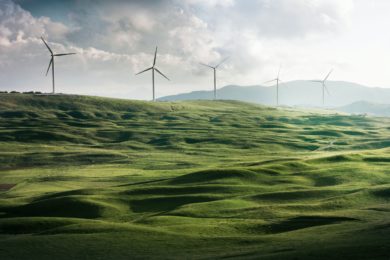
windmills on hillHistory

The Center of Excellence for Renewable Energy (CERE) was inaugurated on April 7, 2006, on the Van Ness campus of the University of the District of Columbia. The inauguration of the Center coincided with the second and last day of the International Conference on Renewable Energy for Developing Countries-06 (ICREDC-06), which was held at the Omni Shoreham Hotel, in Washington DC.

Vision

For more than 15 years, CRES’s research scientists and students have developed the solutions to transform the way we generate, consume, store, and distribute energy.

As oil prices keep soaring, renewable energy from solar, wind, micro-hydro, fuel cells, bio-energy, geothermal, and other energy resources becomes more economical. In addition, increasing concern over the impact of conventional (coal and oil-fired) power stations on global warming, and the growing pollution effects of hydrocarbon fuels have made the need for practical renewable energy solutions more urgent and timely.
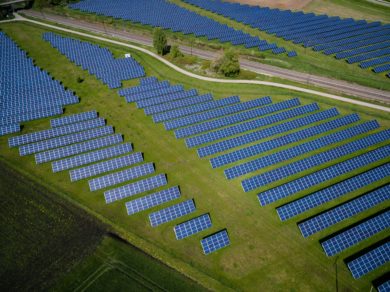
field of solar panelsCERE continues to anticipate these challenges, offering solutions through research, innovation, analysis, partners, and people. We are building the foundation of tomorrow’s energy landscape and inspiring the economic growth of the future here at UDC.

UDC has excellent engineering programs that can be enhanced by providing hands-on experience for its students in building innovative renewable energy systems to serve urgent national and international needs for electric service to electrify remote (off-grid) as well as grid-connected areas.

Mission

  • To provide a national and international center for innovation in the rapidly growing area of renewable energy, modernized power systems, smart grids, power electronics, Artificial Intelligence, cybersecurity, etc.
  • To demonstrate innovative, reliable, and environmentally beneficial power solutions to various communities, including Third World countries to help them develop sustainable communities and promote Water Resource Development;
  • To help UDC to develop enhanced relationships with leading government, business, and political, engineering, and financial leaders in the Nation’s Capital and around the World; and
  • To raise external funding for the activities of the center from business, government, and charitable organizations.

Programswindmill on daisy field
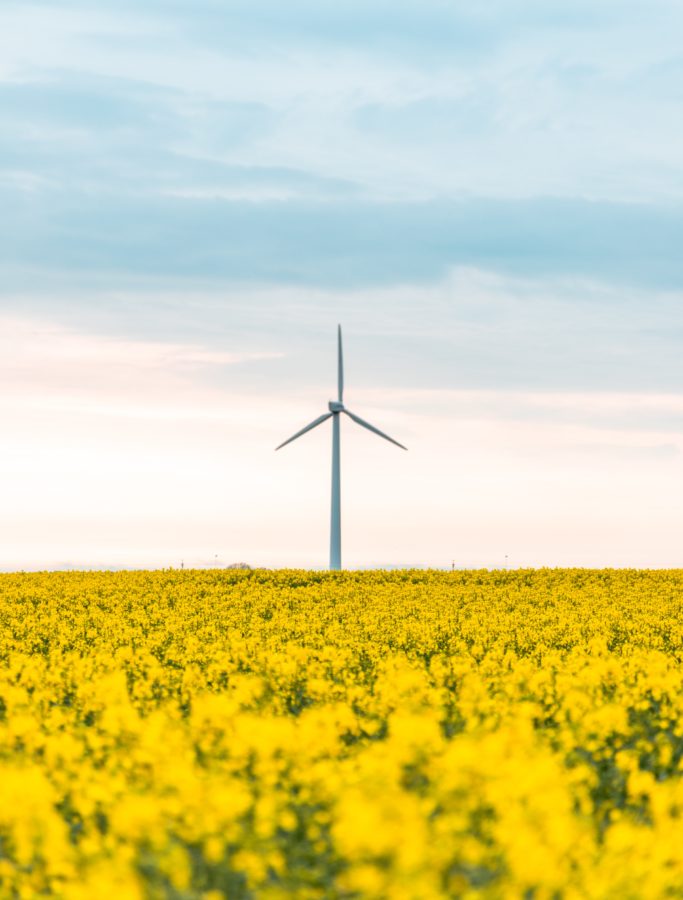
CERE advances the science and engineering of renewable power technologies and power electronics, and provides the knowledge to integrate and optimize energy systems.

Governance

The CERE is headed by a Center Director working in close cooperation with an Advisory Board. The Board includes representatives from the private sector, academia, energy officials, and other officials from Third World Countries and others who could assist the development of the center.

Program Director

Dr. Amir Shahirinia
[email protected]

Images from: unsplash.com/

Back to Top
Take The Next Steps, Today!