


Summer Session: Beyond the Classroom is a summer series highlighting the many ways University of the District of Columbia faculty continue advancing the university's mission beyond the academic year. Through research, professional development, community engagement and preparation for the year ahead, faculty remain actively connected to their disciplines, students and communities.
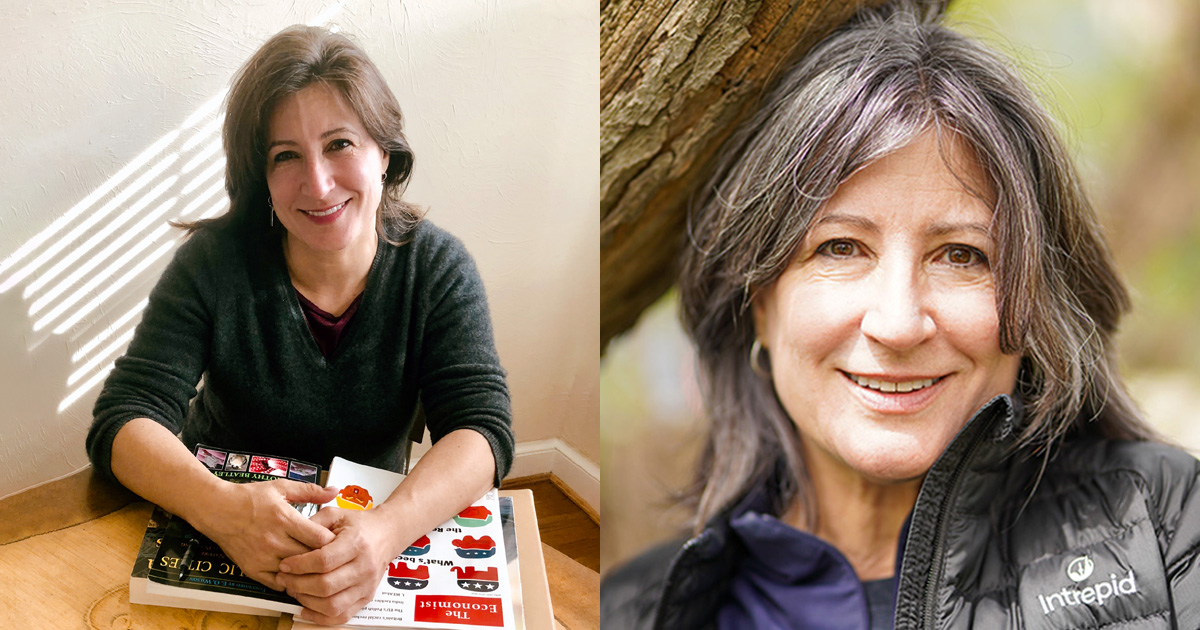
For the third installment of the series, we spoke with Elizabeth Gearin, assistant professor of urban sustainability, about collaborative research, preparing courses for the coming academic year and the connections between healthy communities and environmental sustainability.
PLJ: What does summer typically look like for you once the academic year ends?
EG: Summer is a mix of reviewing the past academic year, preparing for the next one and taking some time to be with family and friends. My children are young adults who are starting their own lives far from the DMV, so summer gives me an opportunity to spend meaningful time with them.
We also try to take one summer trip each year to explore a place we've always wanted to visit. In recent years we've backpacked in Isle Royale, visited Sicily, where my grandparents emigrated from, and this year we'll be driving around Nova Scotia.
PLJ: Are there any projects, research, professional development opportunities or community initiatives you are focusing on this summer?
EG: Summer provides more time to focus on research. This summer, I am working with several students on a collaborative project with partners at the University of Rhode Island and the University of Maryland to identify barriers and opportunities for urban residents who self-provision through activities such as fishing, gardening and foraging. We are exploring whether these activities help reduce food costs, provide access to foods that are difficult to find locally or serve other community needs.
In May, I visited colleagues at the University of Rhode Island to coordinate data coding, and in June I presented preliminary findings at the annual Agriculture, Food & Human Values Society conference at the University of Vermont. Throughout the summer, my students and I are reviewing literature, coding data and preparing additional resources for study participants.
I also use the summer to peer-review scholarly articles, serve as a grant reviewer for the Chesapeake Bay Trust, work on my own writing and reconnect with former students. One UDC alumna recently received a DC Commission on the Arts and Humanities grant that we hope to use to continue research we began together while she was a student.
PLJ: What trends or changes in your field are you paying the closest attention to right now?
EG: Two trends have captured my attention. The first is growing concern about how technology companies use addictive design to compete for people's attention, including students' attention. The UDC Book Club recently read and discussed "Attensity," and several colleagues and I have been exploring ways to help students build healthier relationships with technology.
I've also been reviewing what has worked well in UDC's Bachelor of Arts in Urban Sustainability program. For example, Dr. Davidson teaches Introduction to Environmental Science using our green roof, where students set aside their laptops and phones to work directly with soil, plants and the natural environment.
The second trend is the growing understanding of the relationship between environmental conditions and human health. Where people live has a profound impact on their health and quality of life. Even relatively small improvements, such as greater access to grocery stores, parks and public transportation, can make a meaningful difference, and we all have a role to play in supporting those changes.
PLJ: How does the work you do during the summer help shape the student experience at UDC during the academic year?
EG: Every summer I review my courses. Over the past several years, I have been systematically redesigning each one through the Quality Matters program, which includes peer review. The result is more focused, rigorous courses that can also be offered in a hybrid format, providing greater flexibility for our students.
I also stay connected with students throughout the summer. Some need letters of recommendation for jobs or graduate school, while others simply want to discuss career opportunities after graduation.
PLJ: What is one thing you are especially looking forward to in the upcoming academic year?
EG: In the past, I have invited UDC alumni to speak in my classes and participate in career panels for graduating seniors. This year, I am working with a colleague to create a more informal networking event that brings recent graduates back to campus to connect with current students.
Many graduates of the Bachelor of Arts in Urban Sustainability program now work at organizations such as FEMA, the Office of the Mayor, the DC Department of Parks and Recreation and the Alliance for the Chesapeake Bay — places where many current students hope to build their careers. Our alumni are the best people to share how they got there.
PLJ: What is something people might be surprised to learn about how you spend your summers?
EG: Students are often surprised by how much time I spend outdoors. I enjoy hiking, kayaking, swimming and biking, and I've even run into former students on a bike trail near Hyattsville and at a swimming hole in Poolesville.