Skip To Translation Selection Skip To Top Navigation Skip To Content Skip To Footer
Campus Alert
Update on Facilities Emergency

Following the electrical incident originating in Building 42, significant progress has been made in assessing the affected facilities. Power is expected to be restored to Buildings 38, 39, 43 and 47 within the next several hours.

Buildings 32 and 42 will remain closed through the end of this week while additional assessments are completed and necessary repairs are implemented.

Academic Operations

  • SEAS will remain on Emergency Remote Instruction (ERI) through the end of the week.
  • Classes for all non-SEAS students will resume normal operations.
  • Classes at the Law School, Community College, Congress Heights and the DCA Aviation Hangar will continue as scheduled.

Administrative Operations

  • Administrative and support functions at the Van Ness campus will resume normal business operations.

SEAS Faculty, Staff and Students

SEAS staff should contact their supervisors regarding remote work expectations. SEAS faculty should coordinate with their supervisors regarding ERI and may contact CAL for instructional technology support, including Blackboard, Zoom and Webex, at [email protected].

The safety of our students, faculty, staff, and community remains our highest priority. We will continue to provide updates as additional information becomes available.

For safety concerns, contact OPSEM at 202-274-5050. For emergencies, call 911.

DAWN Pillars

DAWN

Developing America’s Workforce Nucleus

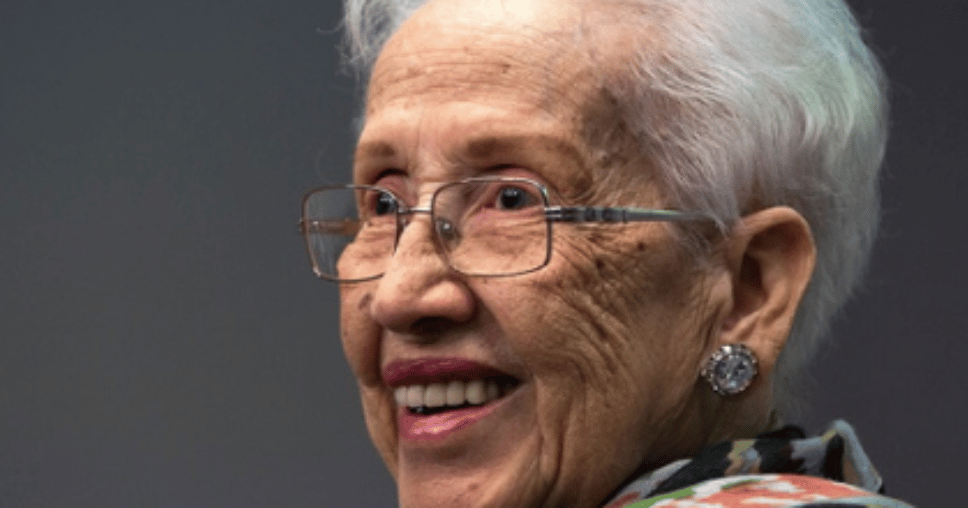
Katherine Johnson

Katherine G. Johnson Math Teacher Training Institute (MTTI)

The MTTI will be a teacher recruiting, training, research, and resource hub for the development and dissemination of math theory and practice, based on the Algebra Project (AP) model. Its focus is innovative content development and delivery methods for students in lower-income quartiles. In addition to being the training hub for UDC faculty and DC public school teachers, the MTTI will also be the site of UDC/SIAP two-week intensive Summer Teacher Seminars (STS) and two-week Mathematics Laboratories for Teaching (MLT) to train HBCU faculty and other public-school teachers on the AP-based pedagogy.
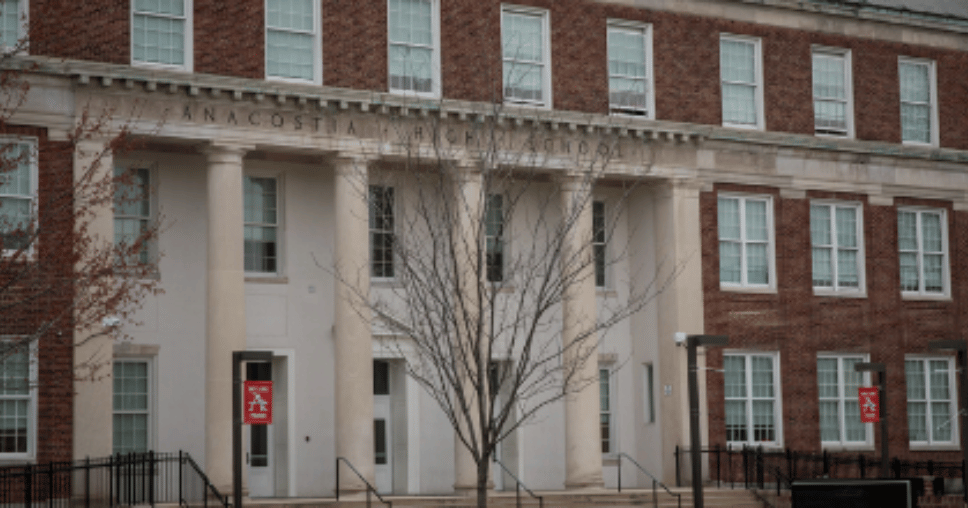
Anacostia High School

C2 Equity Academy

Piloting the rethinking of public education in the most challenged neighborhood in the nation’s capital, the C2 Equity Academy connects the public PK-12 feeder system of Ward 8 in DC directly to higher education through seamless STEM focused pipelines with multiple stackable credentials. These credentials range from skilled technical workforce and entrepreneurship certifications to bachelor’s degrees and beyond.¹ The goal is to create a sustainable pipeline of technical, business-ready, and entrepreneurial talent from the vast sources of untapped potential in Black, brown, and economically disadvantaged communities.

TMCF Strengths Summer

TMCF Strengths Summer @ UDC

Partnering with the Thurgood Marshall College Fund (TMCF), UDC will create a rigorous college enhancement summer experience for select HBCU incoming freshmen and rising sophomores identified as having high potential. SS@UDC will enhance the leadership skills and entrepreneurial talent of students and expose them to the worlds of finance, industry, and government. They will be trained as Gallup Strength coaches, deployed as mentors for subsequent participants, and placed on leadership tracks on their respective campuses. Additionally, SS@UDC will help to increase the pool of high-quality talent available to participate in the annual TMCF Leadership Institute, an annual event connecting the 300 most talented HBCU students with opportunities at Fortune 1000 companies.

360 Assessment

360° Assessment

The objective of this project is to build an accurate and psychometrically robust measure of student potential that assesses students’ metacognitive attributes (for example: fluid intelligence, divergent thinking, perseverance, resilience, proactive disposition, expectations of high achievement, and information search intensity) in the context of their individual histories and educational background. The results of the assessment can inform the college admissions decision-making process as well as identify developmental and learning needs of students.

Back to Top
Take The Next Steps, Today!