The Latest From CAL Connect
Professional development and more.
Following the electrical incident originating in Building 42, significant progress has been made in assessing the affected facilities. Power is expected to be restored to Buildings 38, 39, 43 and 47 within the next several hours.
Buildings 32 and 42 will remain closed through the end of this week while additional assessments are completed and necessary repairs are implemented.
SEAS staff should contact their supervisors regarding remote work expectations. SEAS faculty should coordinate with their supervisors regarding ERI and may contact CAL for instructional technology support, including Blackboard, Zoom and Webex, at [email protected].
The safety of our students, faculty, staff, and community remains our highest priority. We will continue to provide updates as additional information becomes available.
For safety concerns, contact OPSEM at 202-274-5050. For emergencies, call 911.
Professional development and more.
2025 |
2024 |
2023 |
2022 |
2021 |
Anita Nahal Arya, Ph.D., Adjunct Professor, College of Arts and Sciences (CAS)
Meghan Kowalski, Outreach and Reference Librarian, Learning Resources Division (LRD)
Penny Ralston-Berg, M.S., Lisa Byrnes, M.S., Kate Morgan, M.S. at Penn State World Campus
Brian Malone, Customer Success Manager at Hypothesis
Announcements
By Sheryl E. Burgstahler
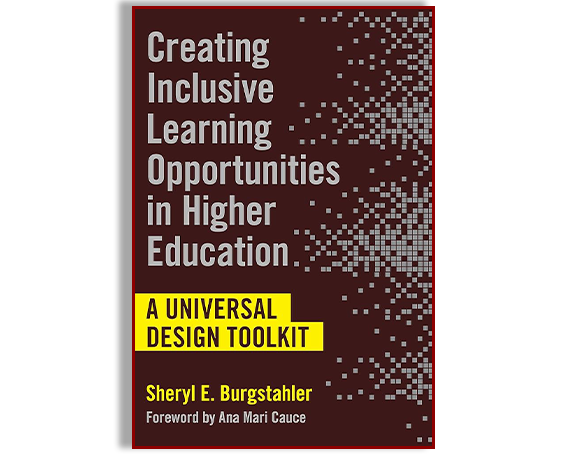
Join us this fall to explore Creating Inclusive Learning Opportunities in Higher Education: A Universal Design Toolkit by Sheryl E. Burgstahler.
CAL is providing 25 hard copies—reserve yours today!
To join or suggest a book, email [email protected].

Instructor
Computer Science and Information Technology
SEAS is paving the way for online programs/courses with its first two Quality Matters (QM) certified courses. Congratulations to Instructor Uzma Amir (CMOP 235/236 – Intro to Webpage Development and HTML) and Dr. Briana Wellman (CSCI 306 – Computer Ethics & Law) for leading the way.
Professor Uzma shared, “Pursuing QM certification was incredibly rewarding. The process encouraged me to strengthen course structure, accessibility, and learner engagement while ensuring the course meets high-quality standards for online education.”
Dr. Wellman reflected, “Completing the QM certification pushed me to think deeply about accessibility, engagement, and alignment. It allowed me to refine assignments and strengthen student connections to real-world technology issues.”
Together, they mark an important milestone for SEAS—demonstrating a strong commitment to quality, accessibility and student-centered online learning.
Read more about the UDC Quality Distance Learning initiative and participate.
For questions, email [email protected].
Spotlight is for individuals who have worked closely with CAL to significantly contribute to teaching and learning at the university.
EdTech Corner
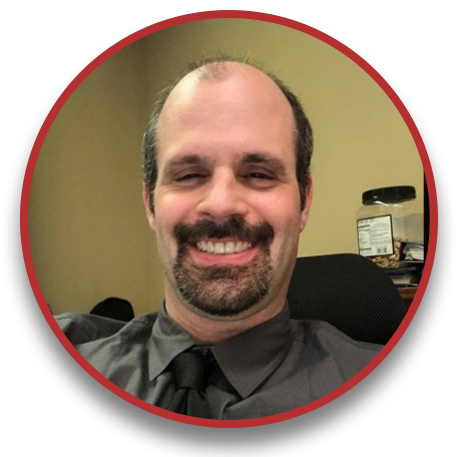 Craig Wynne, Ph.D.
Associate Professor of English, CAS
Dr. Craig Wynne, Associate Professor of English at the University of the District of Columbia, shares how his perspective on AI tools like ChatGPT has evolved—from initial skepticism to thoughtful integration in both his writing practice and classroom instruction.
After encountering a suspiciously polished student essay in Spring 2023, Dr. Wynne began exploring how ChatGPT could be used ethically and effectively in the writing process. Today, he incorporates AI into his first-year writing courses through guided exercises that emphasize critical thinking, including using ChatGPT for feedback, proofreading comparisons, and citation support. He encourages students to treat AI as a supplement—not a substitute—for their own intellectual work.
Dr. Wynne also uses ChatGPT in his own creative and academic projects. From receiving feedback on his second book—analyzing how romantic film tropes marginalize single people—to revising a new short story, he’s found the tool a helpful resource for early-stage feedback and refinement. As he notes, “AI is here to stay. We can’t change that—but we can change how we choose to see and use it.”
To learn more about Dr. Wynne's journey with AI, please click here to read his essay, How I Use ChatGPT as a Writer (And Why I Have My Students Do the Same).
Share with the UDC Community your best practices and how you leverage EdTech in your teaching to increase learning outcomes. Please email [email protected].
4200 Connecticut Avenue NWBldg. 38 B Level - Academic Commons