


On Saturday, May 7, UDC hosted the Embassy of the Republic of Uganda, the Embassy of the Republic of The Gambia, the Embassy of Eritrea and the Embassy of the State of Libya for the Around the World Embassy Tour.Cultural Tourism D.C. sponsored the event and has presented the Tour since 2008 so that people can travel the world and experience different countries.
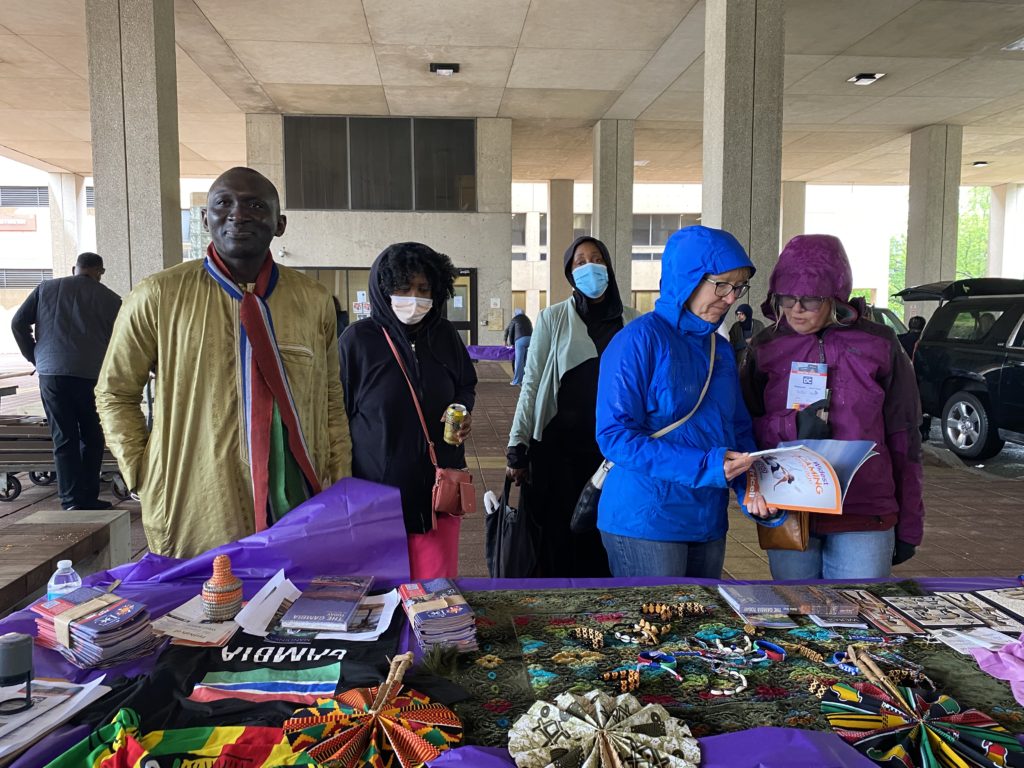
Representatives were on-site at UDC’s Dennard Plaza to explain their exhibits and educate the public on their various cultural traditions. According to Steven Shulman, Cultural Tourism D.C.’s executive director, the Tour gives embassy staff a chance to boast about their countries’ geographic beauty, people, culture, and cuisine.
“It helps participating visitors learn first-hand about a few countries—or as many as they can visit in six hours—and the similarities, hopes and dreams that are common among them,” said Shulman.
This year marks the 15th time that Uganda has participated in Cultural Tourism D.C. events. Uganda’s Ambassador Santa M. Laker Kinyera was on hand to discuss her country’s rich culture, which showcased a 34-foot work of art, a show-stopping model warship built entirely from wire by Ugandan artist Ronald Nnam.
“In Uganda, children ingenuously make their toys, model cars and bicycles from bits of wire, empty cans and rubber,” Kinyera said. “Using this same skill learned in childhood, Ronald asked himself what he could do next, and here is the result. The ingenuity of the Ugandan people is truly phenomenal.”
The Embassy also showcased the giant Ankole cow horns and their by-products, including buttons and cutlery. The Ankole long-horn cow is one of the oldest indigenous cattle breeds in the world. Their distinctive horns can measure up to 8 feet in length.
A large part of the exhibit focused on Uganda’s barkcloth, an endangered natural textile whose unique 700-year production involves a labor-intensive process that UNESCO recognized in 2005. Barkcloth is made from the inner bark of the mutuba tree (ficus natalensis). The cloth is beaten by different wooden mallets, giving it a soft, delicate texture and an even terracotta color, which can be dyed.
In addition to hand-made clothes, shoes and handbags, Uganda showcased hair extensions made from processed banana stems.
“You can use these extensions for braids or weaves, and it’s not heavy,” said Minister Counsellor of Economic/Commercial Diplomacy, Investment Affairs Anne Babinaga. “It’s a new way of doing hair, and it looks incredibly natural.”
Babinaga also explained how Uganda’s representation of creating sustainable materials is unparalleled.
“We want people, especially those in the film and entertainment industry, to realize that barkcloth and the unique features of the Ankole cow horn are valuable sources of original and sustainable materials,” Babinaga said. “These amazing materials would be excellent for costume designers. Barkcloth is very traditional and everyone in our country uses it, even royals. It is a great symbol of our pride and extremely special because you can do so much with it.”
Volunteers at the event were also enthusiastic about the different cultures on exhibit.
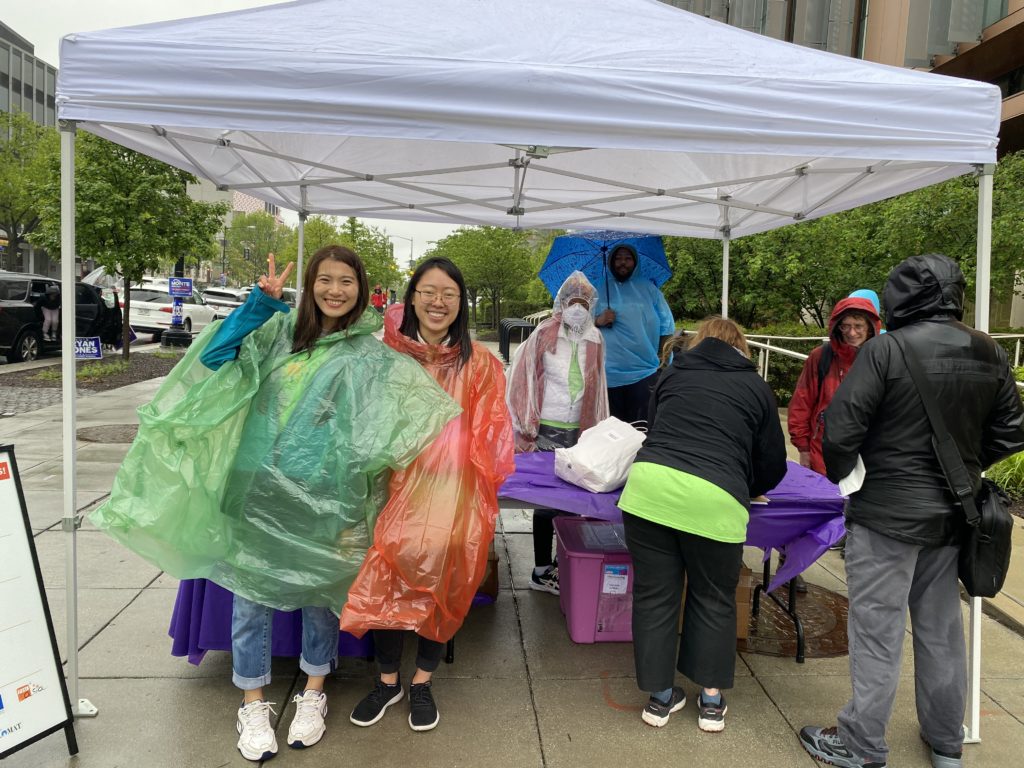
"I volunteered five years ago at the Botswanan Embassy, and it was a great experience,” said Sue Denman, who was representing The Gambia. “I met the embassy staff and learned all about the culture, so I could represent them. It was fascinating, and that is what brought me back today.”
Visitors Gary and Denise Williams, who recently moved to the Van Ness neighborhood, said they couldn’t believe their “good luck.”
“We were just out walking our dog and stumbled upon the Cultural D.C. Tourism information tent, and folks told us to come here to see the exhibits,” they said. “We’ve always wanted to travel to Africa, especially Libya, so this was a great opportunity to speak to people and learn more.”
Cultural Tourism will soon start looking ahead to the 2023 Tour.
“We ask embassies, volunteers and participants to complete surveys to help us evaluate the program. We’ll take that information into a debriefing meeting in the next few weeks and see what worked and what we can do better,” said Shulman. “But I think we made a lot of friends this year. We made an impression with non-participating embassies and we’ll keep building relationships throughout the ‘off-season.’”