Skip To Translation Selection Skip To Top Navigation Skip To Content Skip To Footer
Campus Alert
Campus Updates


Elevator Service Restored in Building 71

All three elevators in Building 71 have been repaired, fully tested and returned to service. Normal use of the building may resume.


UDC Facilities Update

At this time, a definitive timeline for reopening Buildings 32 and 42 has not been established. The reopening of these facilities remains contingent upon the successful completion of repairs, testing, inspections and confirmation that the affected electrical distribution equipment can be safely re-energized.

For safety concerns, contact OPSEM at 202-274-5050. For emergencies, call 911.

Full details

Research Facilities

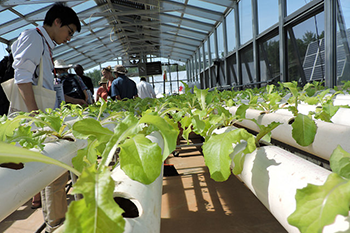
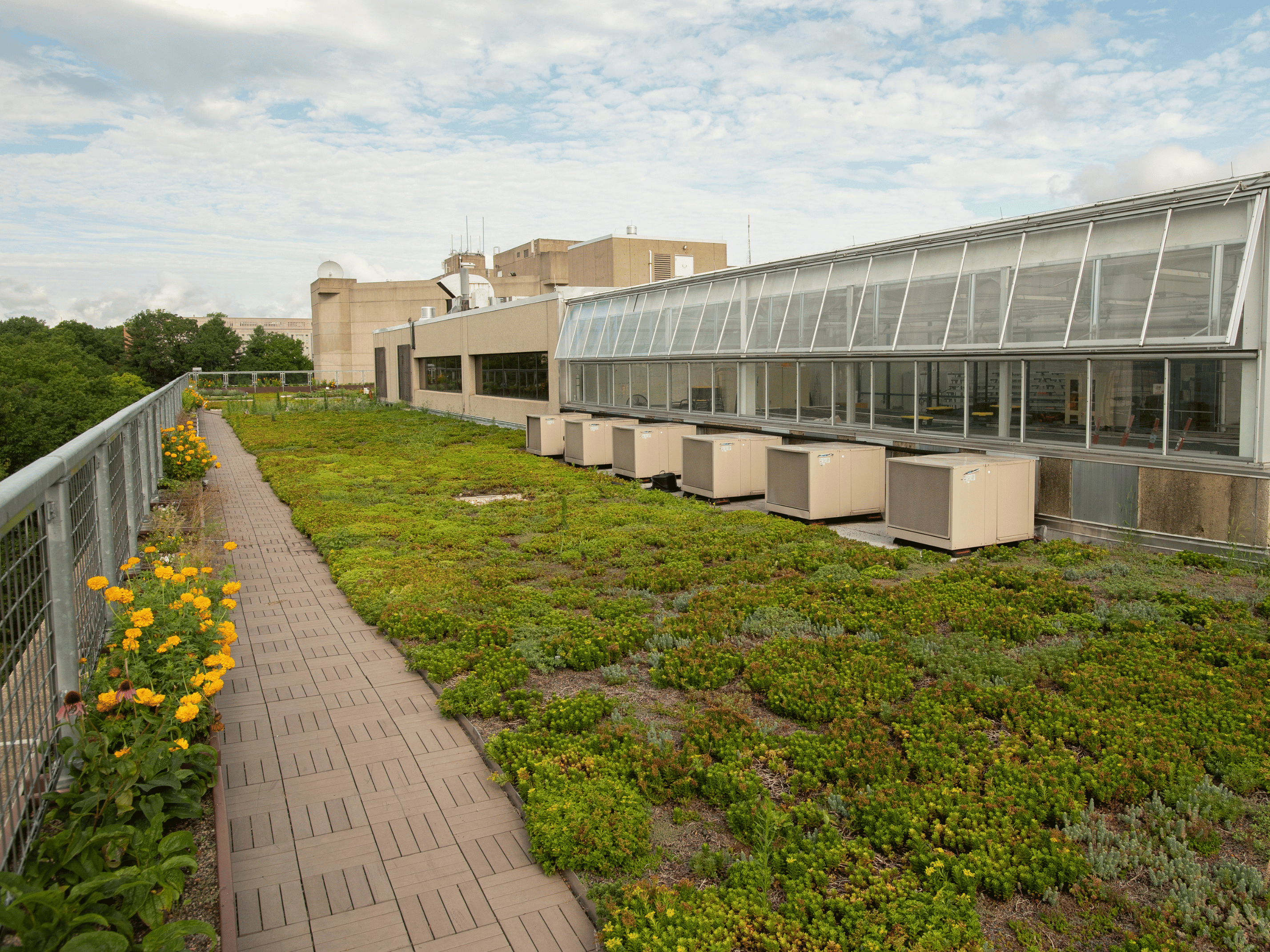
Green Roof on top of Building 44 on the UDC Van Ness Campus

UDC Green Roof: A Living Laboratory for Urban Horticulture

Established in 2015, the University of the District of Columbia’s 20,000-square-foot green roof at the Van Ness campus showcases stormwater management, energy efficiency, and urban agriculture. It features productive growing zones with herbs and vegetables serving as an urban counterpart to UDC’s Firebird Research Farm in Beltsville, MD. The green roof has become a dynamic hub advancing the university's strategic plan:

  • Research: Studying rooftop crop performance, resilient varieties, and climate-adaptive techniques for urban food security.
  • Extension: Offering workshops, tours, and outreach to gardeners, farmers, and stakeholders.
  • Education: Delivering hands-on learning for students in urban agriculture and sustainability.

UDC Van Ness Campus, Ward 3
4200 Connecticut Ave NW
Washington, D.C. 20008
Building 44, Room P04
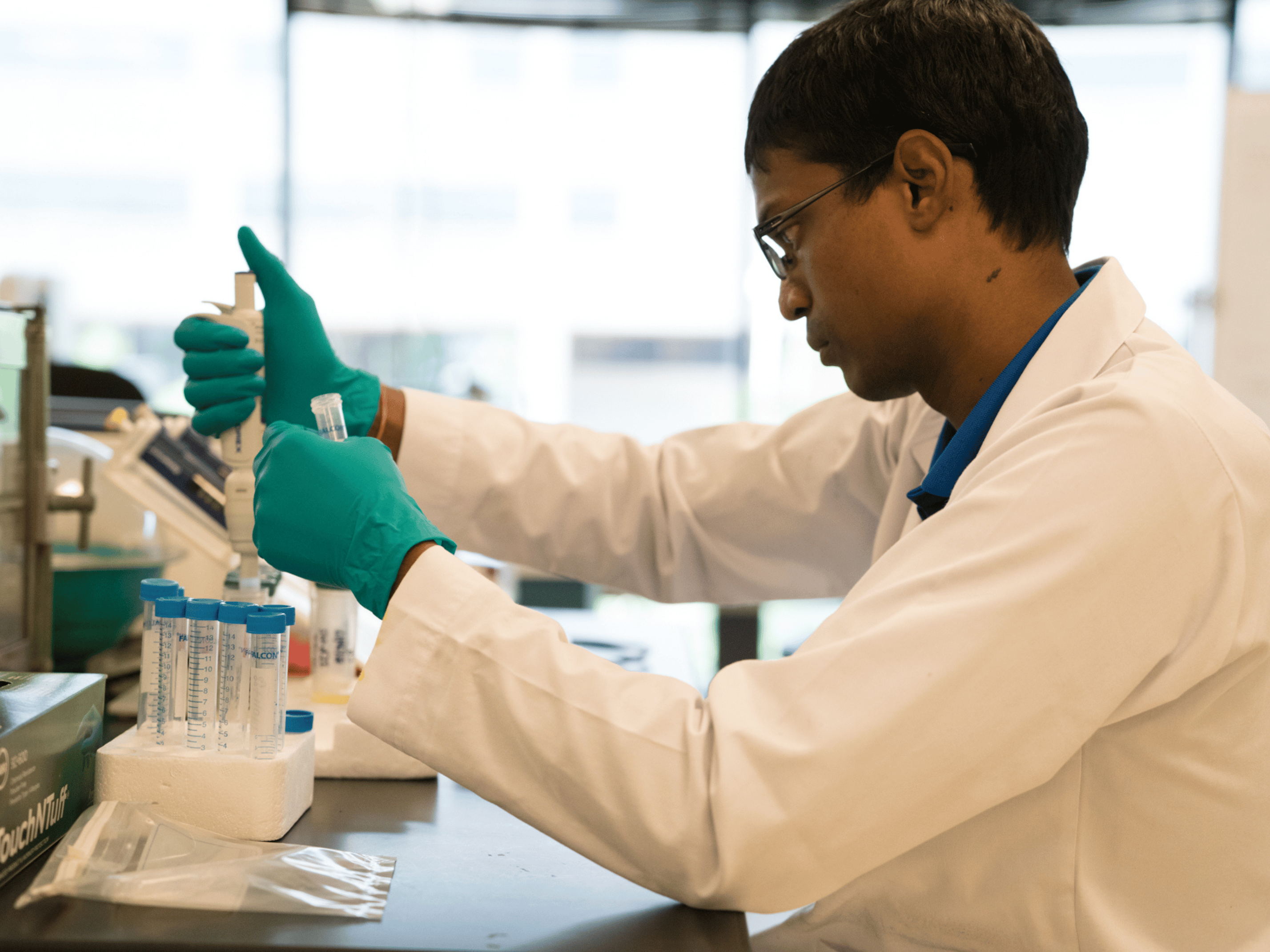
Student in Environmental Quality Testing Lab

Environmental Quality Testing Lab

The nationally-accredited environmental testing lab offers full-service elemental sampling and analysis to customers in the DC Metro Area and beyond. Managed by the Water Resources Research Institute (WRRI) of the College of Agriculture, Urban Sustainability and Environmental Sciences (CAUSES), Environmental Quality Testing Lab (EQTL) provides a wide range of services, including high-quality reliable and affordable analytical, and field sample collection services. 

Services Offered

  • Comprehensive Environmental Testing
  • Verified Data & Expert Interpretation
  • Convenient Sampling & Courier Support (D.C. only)

UDC Van Ness Campus, Ward 3
4200 Connecticut Ave NW
Washington, D.C. 20008
Building 42, Room 110

Request a Quote

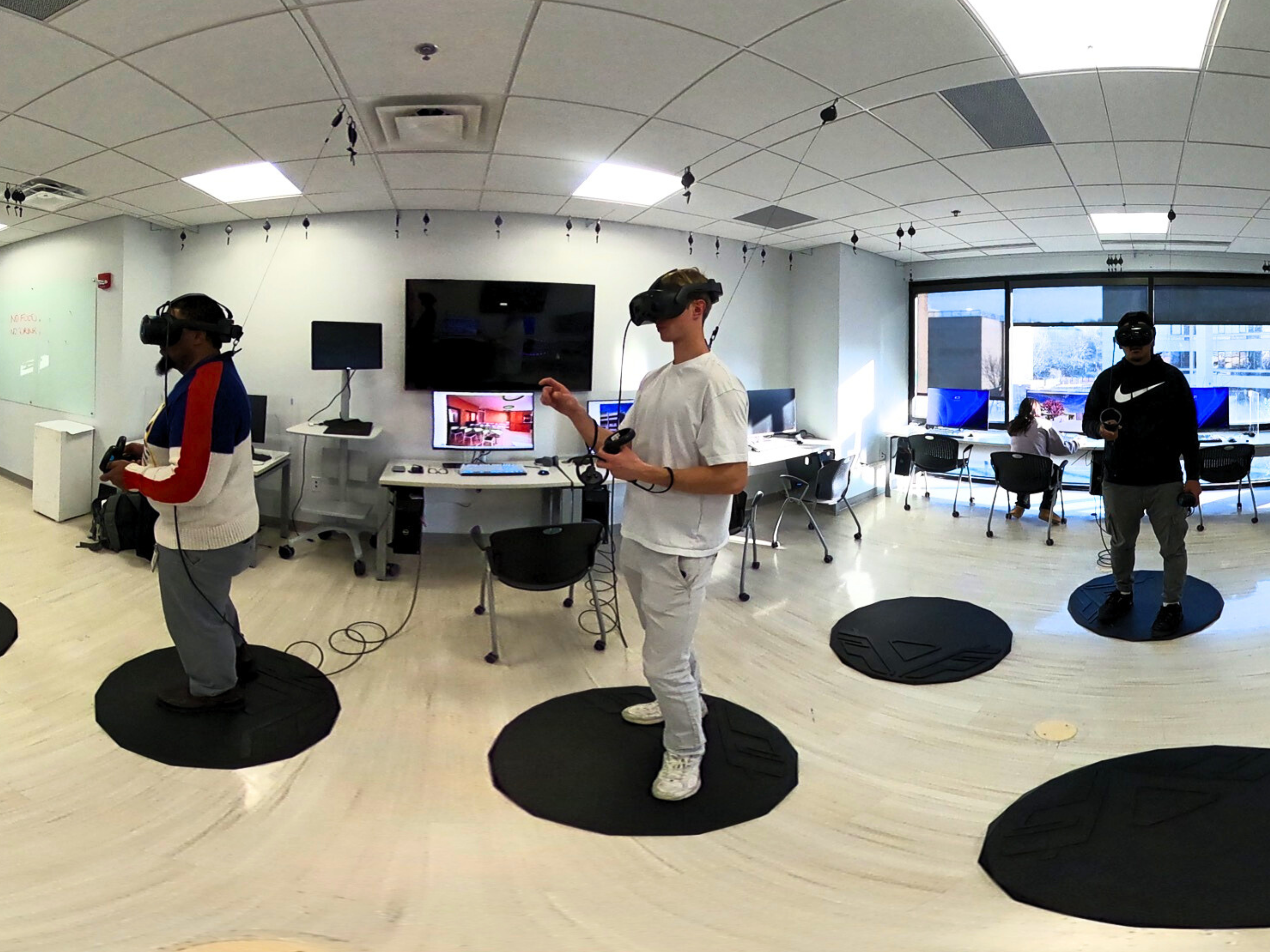
Students using virtual reality in the Firebird Immersive Innovation Laboratory and Maker Space.

Firebird Immersive Innovation Laboratory and Maker Space

The Firebird Immersive Innovation Laboratory and Maker Space is an integrated design and fabrication facility that supports immersive, human-centered architectural innovation. This lab enables students to explore, visualize, prototype, and physically construct projects while evaluating spatial performance and user experience. 

Key Features:

  • High-performance computing systems with advanced 3D modeling, rendering, and VR software
  • Virtual Reality headsets for real-time immersive spatial exploration
  • 3D printers and laser cutters for rapid prototyping and fabrication
  • Collaborative workstations supporting digital and hands-on design workflows

UDC Van Ness Campus, Ward 3
4200 Connecticut Ave NW
Washington, D.C. 20008
Building 32, Room 205

Commercial Kitchens

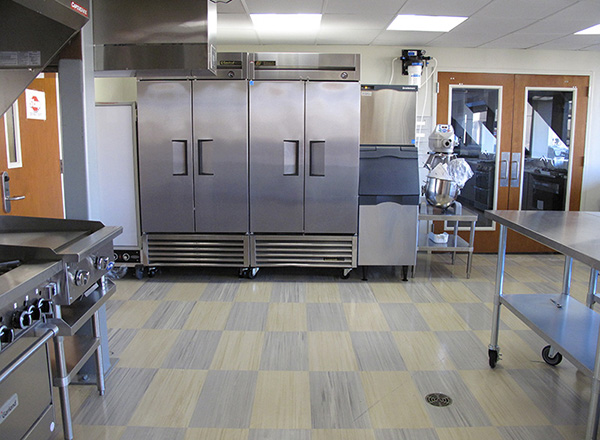
UDC Food Science Kitchen Laboratory

An innovative, licensed food production facility where students gain hands-on experience in food science, nutrition, and health applications through sensory evaluation, nutrient analysis, and food preparation techniques.

Key Features:

  • Professional-grade, licensed production equipment
  • Sensory evaluation and nutrient analysis technology
  • Food preparation and processing labs
  • Training in food chemistry and functional composition
  • Focus on nutrition innovation and human health

UDC Van Ness Campus, Ward 3
4200 Connecticut Ave NW
Washington, D.C. 20008
Building 44, Room 110

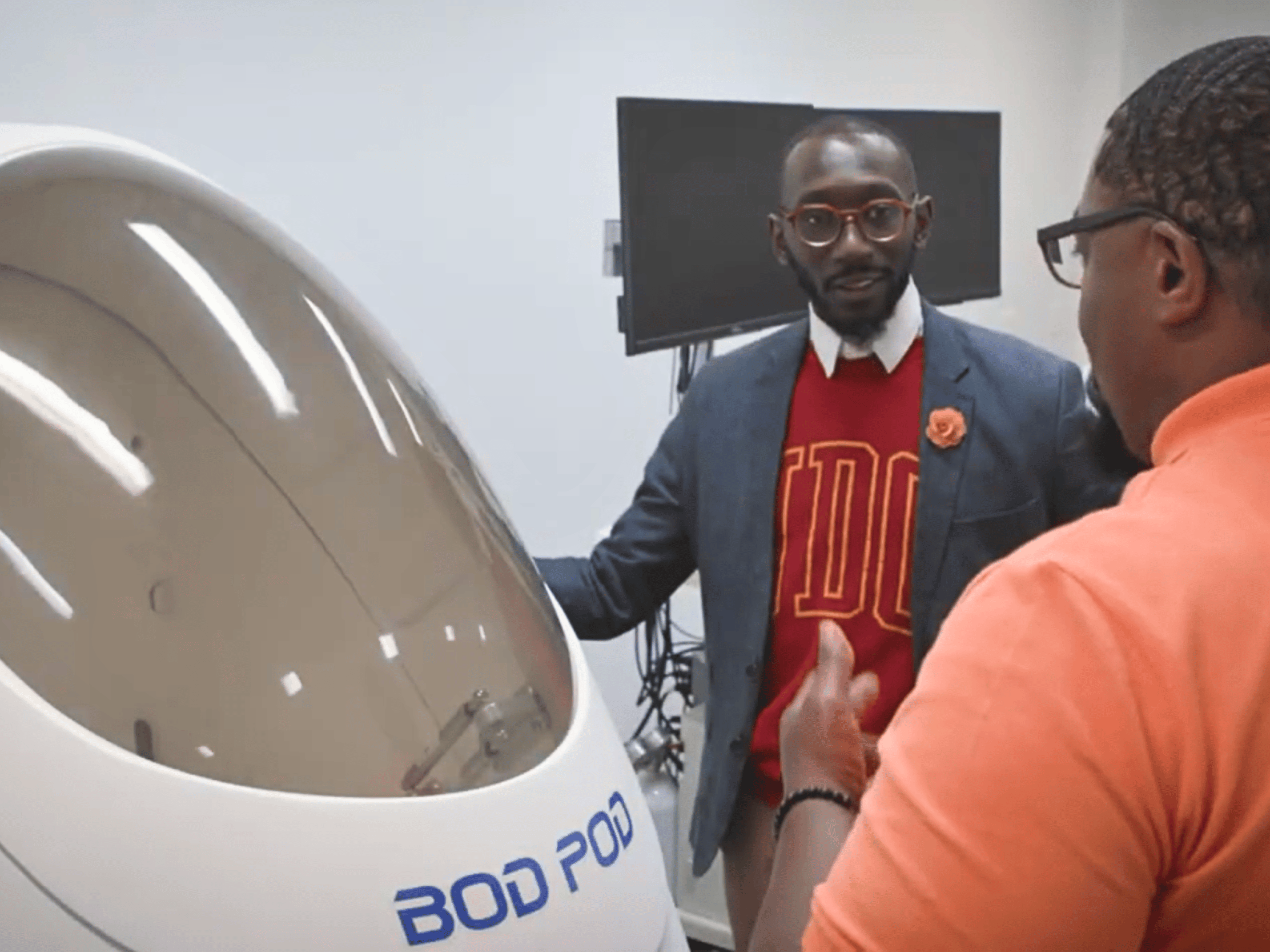
Staff inside of the Firebird Nutrition Assessment Lab with Bod Pod.

Firebird Nutrition Assessment Laboratory

In collaboration with the Center for Nutrition, Diet, and Health and the UDC College of Arts and Sciences (CAS) Nutrition and Dietetics Program, this experiential learning space is where students achieve proficiency with assessing the nutritional status of individuals through a variety of manual and digital measurement tools. Moreover, this platform connects relationships between nutritional status and social determinants of health. 

Key Features:

  • Food intake-related history: Utilize web-based software to determine the nutrient composition of foods and beverages consumed.
  • Anthropometric: Procedures to measure and interpret body size (height, weight, and circumference dimensions) and body composition (ratio of fat vs. fat-free body mass).
  • Biomarkers: Tools that analyze vital signs and body fluids to determine any potential nutritional deficiencies or toxicities including blood pressure, blood glucose, blood lipids, hydration, and other testing.
  • Nutrition-focused physical examination: Procedures that screen for nutrition-related gastrointestinal disorders, chewing/swallowing issues, and assess fluid balance, muscle strength, muscle wasting, fat loss, and micronutrient deficiencies.
  • Metabolic Testing: Using indirect calorimetry to determine resting metabolism, physical activity-induced changes, and energy (calorie) needs.
  • Simulated Models: AI-generated models of the human body for the practice of measuring vital signs, biomarkers, and placement of feeding tubes.

UDC Van Ness Campus, Ward 3
4200 Connecticut Ave NW
Washington, D.C. 20008
Building 44, Room 309

Firebird Research Farm in Beltsville, MD

Firebird Research Farm

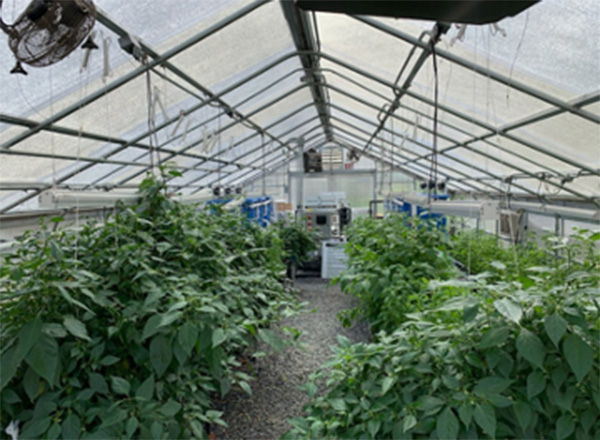
Firebird Research Farm is formally named the Agricultural Experimentation Station of the District of Columbia and was established by the USDA to research and test techniques in urban agriculture that are consistent with sustainable practices. Agriculture and horticulture are usually associated with rural settings and large open spaces. Our farm focuses on adapting successful, highly efficient farming techniques to small urban spaces. Our hydroponic systems explore techniques to grow a wide variety of vegetables in nutrient-enriched water rather than soil. This growing method can generate exceptionally high yields, and is no longer limited to only microgreens, but can be used for vegetable varieties including tomatoes, peppers, cucumbers, and squash. The farm is managed using sustainable systems and methods that reduce strain on the environment. Our customized aquaponic systems allow us to raise fish and grow vegetables in a self-sustaining closed-loop system where fish waste is used as plant fertilizer, while the water is filtered and recycled. 

Firebird Research Farm
12001 Old Baltimore Pike
Beltsville, MD 20705

Food hub on the Van Ness Campus

Van Ness Urban Food Hub

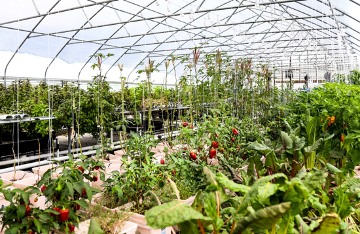
The University’s Van Ness campus is located in Ward 3. The food production component of the food hub is a 20,000-square-foot green roof that was installed on an existing roof structure. Eighteen-inch deep planters placed around the perimeter of the roof support the production of a variety of food plants, from tomatoes to peppers, beans, okra, eggplant, and even berry bushes. The interior of the roof is limited to no more than four inches of soil depth, which can support the production of leaf lettuce, microgreens, and herbs. The roof also features a greenhouse and a hydroponic system that is arranged vertically to fully utilize the limited space. The Van Ness Food Hub also incorporates an aquaponics system that combines growing fish (aquaculture) and growing vegetables without soil (hydroponics).

UDC Van Ness Campus, Ward 3
4200 Connecticut Avenue NW
Washington, D.C. 20008

Lamond-Riggs Urban Food Hub

Lamond-Riggs Food Hub

The research facility was built with grants from the U.S. Department of Energy and Environment (DOEE) and Anacostia Economic Development Cooperation (AEDC). The food hub has aquaponic and hydroponic systems, a native plant nursery, a demonstration kitchen, and garden beds. The native plant nursery is a unique feature in this food hub that serves as a space to teach job skills in greenhouse management and plant production. The demonstration kitchen is utilized as a business incubator and a learning space for students and community members on food safety and nutrition. It also features a Firebird Mariposa Wellness Garden for community members to connect, reflect, and renew.

Lamond-Riggs Urban Food Hub, Ward 5
5171 South Dakota Avenue NE
Washington, D.C. 20017

East Capitol Urban Farm

East Capitol Urban Farm

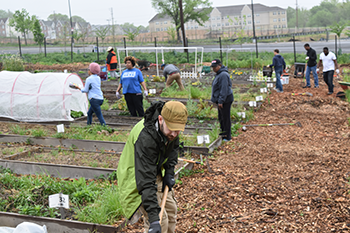
East Capitol Urban Farm is one of several urban food hubs pioneered by CAUSES to improve food security and sustainability in D.C. neighborhoods through food production, food preparation, food distribution, and waste and water management. East Capitol Urban Farm is a result of a major local, federal, public, and private alliance between CAUSES, the District of Columbia Housing Authority, the Urban Waters Federal Partnership, several District of Columbia government agencies, community organizations, churches, and businesses to transform a vacant, three-acre parcel of land to become the city’s largest scale urban farm of its type. The farm increases access to local and sustainable produce for the Ward 7 community.

East Capitol Urban Farm, Ward 7
5901 East Capitol Street, SE
Washington, D.C. 20019

P.R. Harris Food Hub

P.R. Harris Food Hub

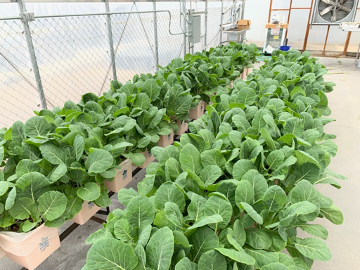
The P.R. Harris Food Hub is a 5,000 sq ft hydroponic and aquaponic research facility located in D.C.’s Ward 8 community. In addition to developing a proof of concept for the business viability of a small-scale, controlled environment agricultural production site, its mission is to capture the production, employment, and educational potential that a vertical farming operation could generate in historically disenfranchised communities across D.C.

P.R. Harris Urban Food Hub, Ward 8
4600 Livingston Road SE
Washington, D.C. 20032

Contact Us

The College of Agriculture, Urban Sustainability, and Environmental Sciences (CAUSES)
4200 Connecticut Ave NW
Washington, D.C. 20008
202-274-7124
Back to Top
Take The Next Steps, Today!