


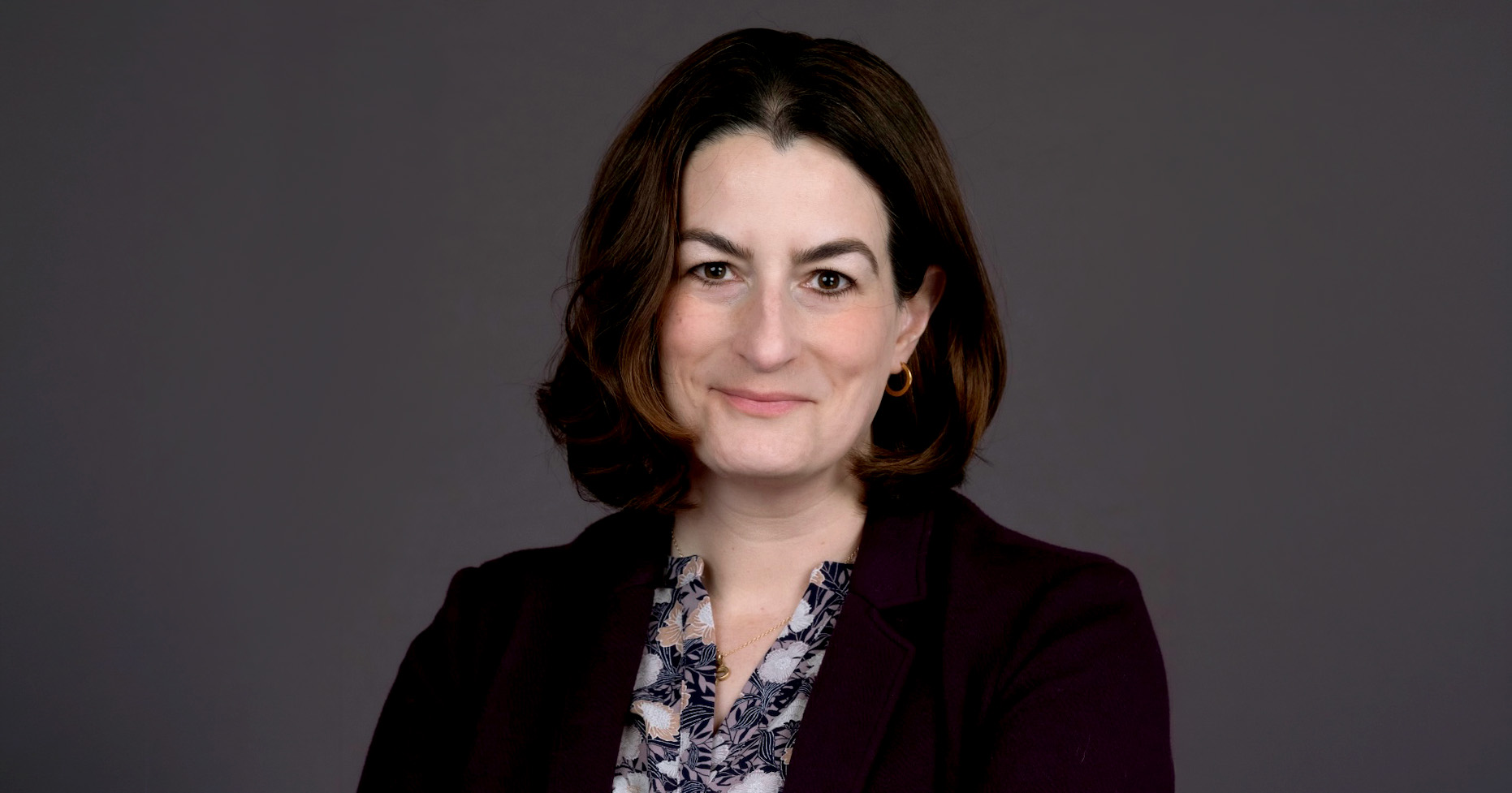
For UDC School of Education and Learning Sciences (SELS) professor Jennifer Bartee, learning alongside educators from across the country at this year’s Library of Congress Summer Teacher Institute offered more than professional development. It provided new ideas and resources she can bring back to future teachers at UDC — and ultimately to the pre-K-12 students they will serve.
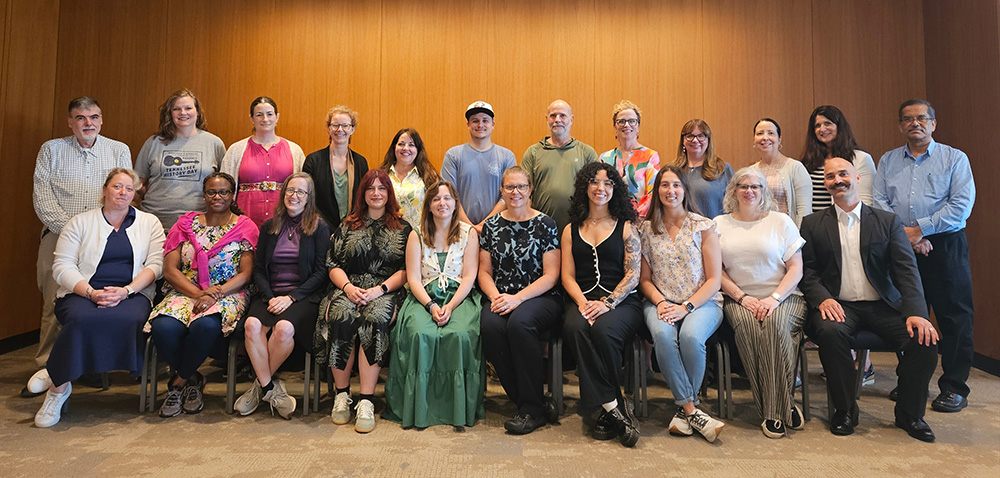
Bartee was among 90 educators from 21 states selected to attend the three-day institute this year. She was joined by 2025 UDC Master of Arts in Teaching (MAT) graduates Matthew Hammond and Rachel Venator, further strengthening ties between UDC’s teacher preparation programs and one of the nation’s leading cultural institutions.
The institute gave participants a chance to explore the breadth of resources available through the Library of Congress and consider how those materials could be incorporated into their classrooms. For example, Bartee explored work ranging from the preservation of sound recordings and films to the conservation of musical artifacts and the provision of accessible audiobooks. A collection of early picture books once used to teach elementary school children to read was especially meaningful to her as a scholar of curriculum and instruction. “Seeing these books made the evolution of literacy education come to life,” she said.
The experience also deepened Bartee’s understanding of how primary sources can encourage students to become more thoughtful observers. She was already using the Library’s Primary Source Analysis Tool in her UDC courses and learned new strategies for helping students closely examine materials and develop their own questions before turning to technology for answers. As she put it, “In having students slow down and take a deep look for themselves, they are able to connect the material to their own lives, empathize with the experiences of people who lived hundreds of years before them, and create a lasting impression.”
The opportunity to exchange ideas with educators from different grade levels and educational settings was another of the institute’s greatest benefits. “As a professor who works in the field of teacher preparation, I found it immensely helpful to hear how teachers from around the country were engaging their students,” Bartee said.
Hammond and Venator came away with similar perspectives. Hammond, who is completing fieldwork in preparation for teaching social studies at a local school, left with new ideas for engaging students with primary sources. “I learned more ways to bring history alive,” he said.
For Venator, who now teaches seventh-grade social studies at Sousa Middle School in the District, the institute provided an opportunity to test teaching strategies and exchange feedback with more experienced educators. “Given my preparation at UDC, I had valuable resources and feedback to share with other participants despite my short tenure in the field,” she said. She, too, left with new resources she planned to use right away — extending an experience that began with teacher preparation at UDC into a classroom serving District students.
That progression reflects both the impact of UDC’s teacher preparation programs and the growing relationship between the university and the Library of Congress. Each year, members of the Library’s education team work with Bartee’s undergraduate elementary and early childhood education students, visiting UDC to explore ways Library resources can support arts-integrated teaching.
Two years ago, the Library reached out to Bartee to propose developing a program focused on primary source analysis strategies for preservice teachers. The resulting pilot included visits by Library staff to UDC and a field trip by UDC students to the Library, where the students obtained reader identification cards giving them access to Library resources. This partnership gives UDC students access to nationally significant collections and teaching tools they can bring into their own classrooms.
Venator’s path illustrates that impact. After working in education research and program administration, she enrolled in UDC’s MAT program seeking a strong foundation before making the transition to classroom teaching. “The small class sizes and dedication of professors to preparing educators who would serve in the best interest of students far exceeded any expectations I had for the program,” Venator said.
SELS professor Aaron Bruewer encouraged Venator to apply for the summer institute, and the opportunity became another step in her development as an educator: “Professional development [like this] reminds me to continually reflect and improve upon my practice, using new insights as well as returning to the foundation I gained at UDC.”
For Bartee, that cycle — educators continuing to learn, bringing what they learn back to UDC and preparing future teachers to carry those lessons into their own classrooms — is at the heart of the experience. “As a professor, that’s what I hope for, that the lessons I teach my students imprint on their memories and help to direct them into teaching careers where they will make a difference,” she said.
Learn more about UDC’s teacher preparation programs.