


Overview
The Center for Urban Resilience, Innovation and Infrastructure provides relevant and innovative applied research and education to make cities and communities more resilient, equitable and sustainable. CURII thought leadership helps urban communities become more sustainable and resilient by:
- Leading interdisciplinary research that informs and prepares urban communities for the challenges of the 21st century.
- Building strong collaborations with community partners to improve the quality of life and economic opportunity of people and communities in the District of Columbia, the nation and the world.
- Developing effective partnerships with universities, research institutions and other entities to create more resilient communities.
- Fostering innovation and entrepreneurship to improve urban resiliency and sustainability by strengthening educational opportunities and community training programs.
- Engaging in fundamental and applied research for sustainable practices and innovations.
Mission
CURII works with UDC students, partners and community members on developing integrated resilience solutions to improve urban resilience and community health in Washington and beyond.
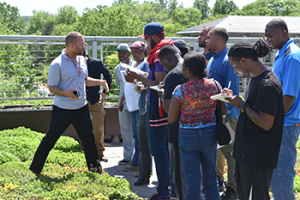 As part of the UDC Equity Imperative, CURII established a partnership with DC Water and the Water Environment Federation in 2016 to train underemployed and unemployed D.C. residents in green infrastructure, facilitating their entry into the District's sustainability workforce. DC Water, in partnership with WEF, launched the National Green Infrastructure Certification Program, a nationally recognized certification in green infrastructure construction, inspection and maintenance. Through a grant from DC Water, CURII uses the NGICP, along with other professional training programs, to train, qualify and certify eligible participants in the field of green infrastructure. UDC provides the training at no cost to District residents who qualify — those with a high school diploma or equivalent and no college education or seeking to further a current career path.
 The D.C. Master Naturalist program engages individuals as stewards of Washington's natural ecosystems and resources through science-based education and volunteer service. The two-part DCMN program training includes six weeks of instruction plus 40 hours of volunteer service. Classes, including field trips, are led by local experts and focus on a comprehensive overview of the natural ecosystems and urban factors that influence these systems. DCMN participants take their learning about natural resources and environmental conservation and serve local communities in the District and engage in a wide range of citizen science activities that contribute to greater knowledge and understanding of local habitat.
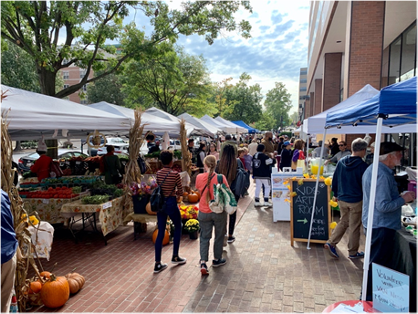 The UDC Van Ness Farmers Market is a collaboration between UDC-CAUSES and independent local vendors from the DMV. The market takes place each Saturday from April 25 through December 2026, from 9 a.m. to 2 p.m. The market is located at 4200 Connecticut Ave., in front of the UDC Student Center. The Van Ness Farmers Market is coordinated by the Center for Urban Resilience, Innovation and Infrastructure. Assorted seasonal produce along with eggs, fish, baked goods and more are provided by local D.C. vendors comprised of farmers, producers, growers, bakers and artisans from D.C., Maryland, Virginia. Weekly events at the market often include live music, dance, cooking and food safety lessons and demonstrations.
 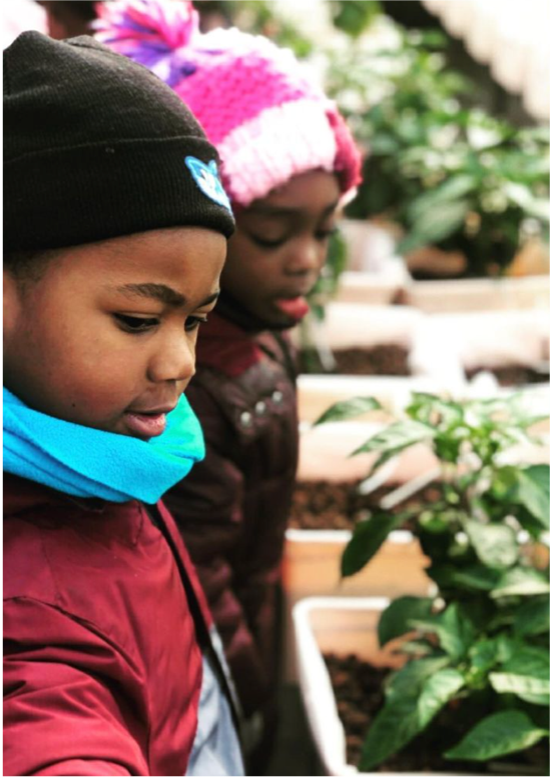 The Lamond-Riggs Food Hub, formerly Bertie Backus Food Hub, is a multi-functional urban agricultural site located in D.C.'s Fort Totten neighborhood. It includes 5,000 square feet of hydroponics and aquaponics research facilities, a 2,500-square-foot native plant nursery, a community garden with compost training open to all Ward 5 residents, a commercial kitchen and a newly installed "Ag Pod" unit. The site's objectives are to:
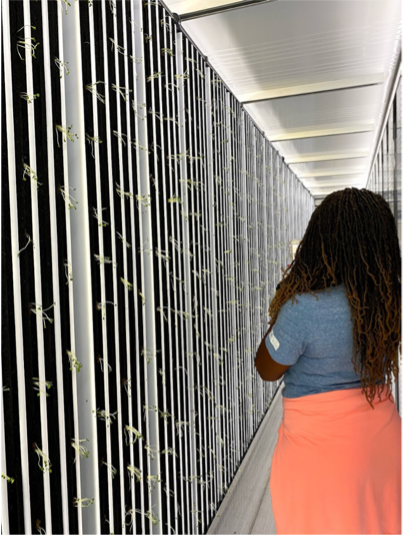 In 2020, UDC-CAUSES and Pepco started a partnership to work on a vertical hydroponic system known as the "Ag Pod" — a 400-square-foot vertical, hydroponic production facility located at the Lamond-Riggs Urban Food Hub. As a state-of-the-art controlled environment system that makes it possible to grow food 365 days a year, this facility aims to demonstrate what the future of agriculture could look like in urban environments that balance a high demand for fresh produce with limited space for agricultural production.
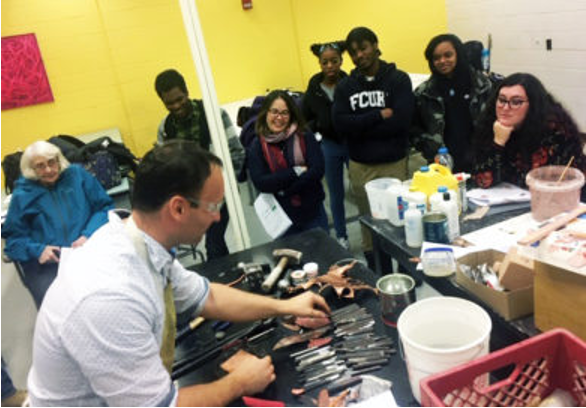 UDC-CAUSES team is thrilled to be establishing a
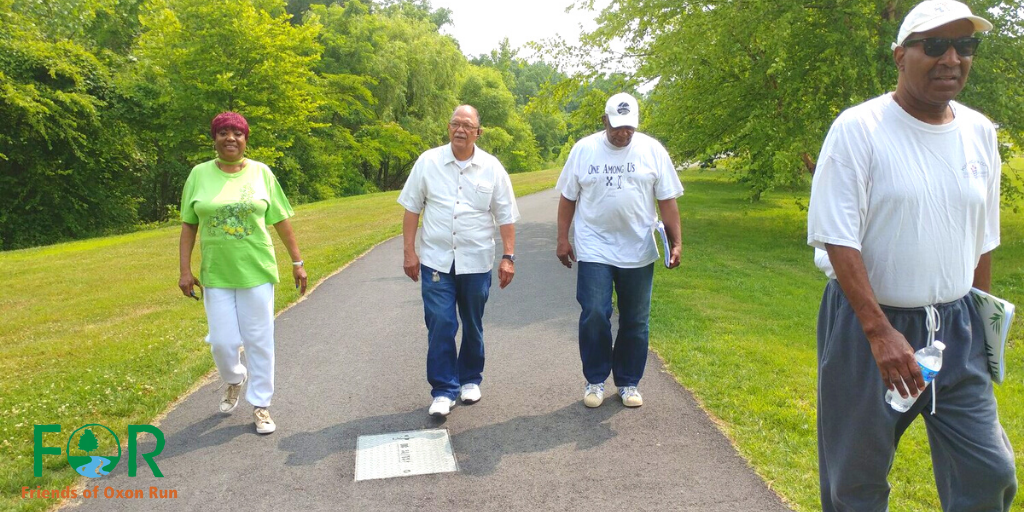 CURII faculty and UDC graduate students work with residents in the Oxon Run neighborhood in Ward 8 to understand the role of land use and urban planning in shaping their community. This partnership is timely because the District has plans to naturalize the stream and to improve the park and trails in Oxon Run Park, and this community has a strong desire to understand and fully participate in these processes. Outcomes include a written report and presentation to Oxon Run community leaders and representatives from the District’s Department of Parks and Recreation (DPR) that documented the cultural and historical uses of Oxon Run based on a series of stakeholder interviews; and a series of focus groups among adult community members, youth, and returning citizens regarding use of and long-term vision for the Park.