Over the years, the University of the District of Columbia has been a bridge from surviving to thriving for thousands of residents of the District of Columbia. Whether they have been first-generation, undocumented immigrants, bilingual, or among the many high school valedictorians and student scholars we enroll, they have found a nurturing educational haven at UDC.
We invite you to take a look at how UDC is transforming lives, and how its various schools and colleges are investing in student success.
UDC’s College of Agriculture, Urban Sustainability and Environmental Sciences (CAUSES), serves as a living laboratory to support research, scholarship, leaders, and projects focused on cultivating healthy residents and cities that are resilient and sustainable.
Students put their education into practice with hands-on experience at UDC’s Firebird Research Farm, established by the USDA in Beltsville, Md., as well as the East Capitol Urban Farm, which is a collaboration between UDC and several DC agencies established to increase access to local and sustainable produce for its underserved Ward 7. Students also participate in community outreach at the Van Ness Urban Food Hub, which experiments with rooftop vertical farming and aquaponics systems. The Lamond-Riggs Urban Food Hub is funded by grants from the Department of Energy and Anacostia Economic Development Corporation to refine advanced aquaponic and hydroponic systems and establish native plant nurseries, a community demonstration kitchen as well as a space to teach job skills in greenhouse management and plant production.
CAUSES offers students academic programs designed and taught by expert faculty from bachelor’s through doctoral degrees including Urban Sustainability, Urban Architecture and Community Planning, and the Registered Nurse to Bachelor of Science in Nursing (RN to BSN).
Garnering international attention, schools have sent delegations to observe and participate in CAUSES’ innovative programs and research in urban agriculture and sustainability, including Lund University in Sweden, Cornell University (NY), Virginia State University, and the University of North Texas.
CAUSES’ impact is evident from its highly trained graduates, community gardens, rooftop solar panels, farmers’ markets with locally grown produce, and youth training programs.
Since opening its doors in 2009, the University of the District of Columbia Community College (UDC-CC) has met students where they are — with accessible, affordable, and high-quality programs for residents of the District and the region. The associate degrees, certificates, workforce development, and lifelong learning programs are market-driven and learner focused. Its student body includes recent high school graduates, adult learners, returning students, veterans, single parents, and English Language Learners (ELLs), as well as international students representing almost every country. The UDC-CC helps students find pathways to change lives and build economic power in the District and globally.
UDC-CC students can train in high-demand areas that make significant economic impact such as the RN Nursing program, and the Aviation Maintenance Technology associate degree and certification. Students gain hands-on experience at UDC’s hangar at the Ronald Reagan Washington National Airport in DC, as well as in the classroom.
Additionally, “At UDC-CC, we are proving that great research can come from any background and is happening at every degree level,” says Assistant Professor of Natural Sciences Michael Ha. “Our students are tackling real-world challenges, from using AI to improve radiotherapy for cancer patients to analyzing public health disparities through D.C.’s mortality data. Others are exploring the dangers of plea bargains in the criminal justice system or the role of social media algorithms in shaping public opinion. This work isn’t just about academics — it’s about creating solutions that matter.”
UDC-CC Associate Dean Bushra Ahmad Saeed echoes this sentiment, emphasizing the importance of interdisciplinary collaboration. “The integration of fields like AI with health care or criminal justice has the power to unlock solutions that are truly transformative.”
UDC’s School of Business and Public Administration (SBPA) specializes in four key degree programs: Accounting, Finance, Management, and the Master of Business Administration (MBA). SBPA is among only six percent of business schools accredited by the Association to Advance Collegiate Schools of Business (AACSB). With an affordable and rigorous curriculum and faculty who are industry leaders, students gain skills that empower graduates to excel in their careers.
SBPA’s groundbreaking research, conducted in partnership with the National Science Foundation, has pioneered the use of social robotics to aid in the management of learning and cognitive disabilities in local high school students with autism spectrum disorders.
The School of Business and Public Administration’s impact extends well into the community and provides free services to District residents. For example, the Volunteer Income Tax Assistance (VITA) clinic, in collaboration with the IRS, provides free tax preparation services to low-income, elderly, and disabled residents every tax season — offering students hands-on experience.
SBPA works to establish corporate, government and non-profit organizational partnerships to enrich the learning experiences of students and other stakeholders. It is committed to being a positive force in the District as students learn in the classroom and launch their professional careers.
Known for innovation and collaboration, UDC’s School of Engineering and Applied Sciences (SEAS) is at the forefront of the university’s mission to turn the promise of education and research into real-world solutions. SEAS is built on four engineering programs: civil engineering, computer science and information technology (including cybersecurity), electrical engineering, and mechanical engineering. Each program offers bachelor-to-level degrees, including a Ph.D. in computer science. With a coveted ABET accreditation, SEAS maintains rigorous academic and professional standards.
SEAS partners with major federal and local agencies and leading multinational companies. With $33 million in ongoing federal research grants, SEAS is generating groundbreaking patents, developing new technologies, contributing to critical technical literature, and educating leaders who are prepared to solve societal challenges in both engineering and technology. Its faculty hold U.S. patents and have won national awards and published nearly 150 peer-reviewed articles and presented at numerous industry conferences.
Through strategic partnerships, the program houses multiple research centers and laboratories. Students and graduates of SEAS are in high demand and enter the workforce experienced and prepared to take on challenges and evolve with new demands.
Located in the nation’s capital, the University of the District of Columbia’s David A. Clarke School of Law (UDC Law) has made a name for itself in public service and hands-on experience. It is committed to preparing students to become effective, ethically conscious lawyers in the public interest. UDC Law students receive comprehensive legal and practical training, with the largest clinical requirement of any U.S. law school. Students help those in need while serving vulnerable communities. Faculty and students provide more than 33,000 pro bono hours of essential legal services to DC residents each year!
Most recently, UDC Law again earned national recognition, with top scores in three categories in The Princeton Review’s 2025 Best Law School rankings. Among 168 US law schools, UDC Law was named #1 Most Chosen by Older Students, #2 Greatest Resources for Minority Students, and #9 Most Diverse Faculty.
The program’s diverse faculty and staff, proximity to the nation’s decision-makers, affordable tuition, and day and evening course offerings are factors that have helped UDC Law consistently rank among the top law programs in the country.
Standing behind its motto of “Your dream, our guidance,” UDC’s College of Arts & Sciences (CAS) offers high-quality education that prepares graduates to pursue their career goals, next-level education, specific professional roles, and living and learning in a 21st-century global environment. It provides an environment for students to achieve their personal goals nationally and internationally through the support of professors who are experts in their craft.
CAS offers a variety of paths of study, including 15 undergraduate degrees, nine graduate degrees, and three non-degree certificates. CAS Divisions include Arts and Humanities, Education, Health and Social Work, Sciences and Mathematics, Social and Behavioral Sciences, and General Education. Its location in Washington, DC, provides a classroom that extends well beyond the campus to the cultural and political environment only a short distance beyond the campus. Students also have access to professional training, internships, networking, and job opportunities in DC and throughout the country.
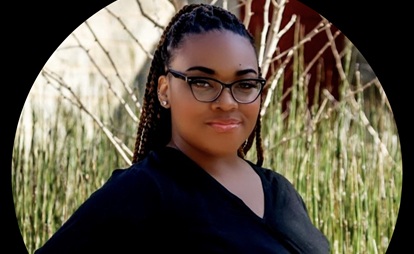
CAS was instrumental in supporting DejeriaBriggmon to accomplish her dreams. She is a talented vocalist who received a Bachelor of Music degree in 2025. She is the first UDC recipient of the Ella Fitzgerald Memorial Scholarship. In addition to her versatile performing background as a soloist and ensemble member, Briggmon is an experienced educator who has shared her talent and expertise with organizations in the DC community.
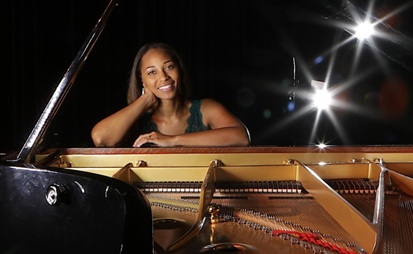
Dr. Leah Claiborne
CAS’ distinguished faculty includes people such as Dr. Leah Claiborne, who serves as Coordinator of the Keyboard area in UDC’s Music program and is a highly sought-after performer, scholar, and piano pedagogue. She is the founder of the Ebony Music Project; a national organization committed to promoting black classical pianists and piano music by black composers. Dr. Claiborne is also a “Yamaha artist,” earning an endorsement by the Yamaha Corporation. She received a multi-year grant to further her research in piano music by black composers from the Sphinx Organization, which works to increase representation in classical music.
Read More Stories
Hear more stories of faculty excellence and achievement.



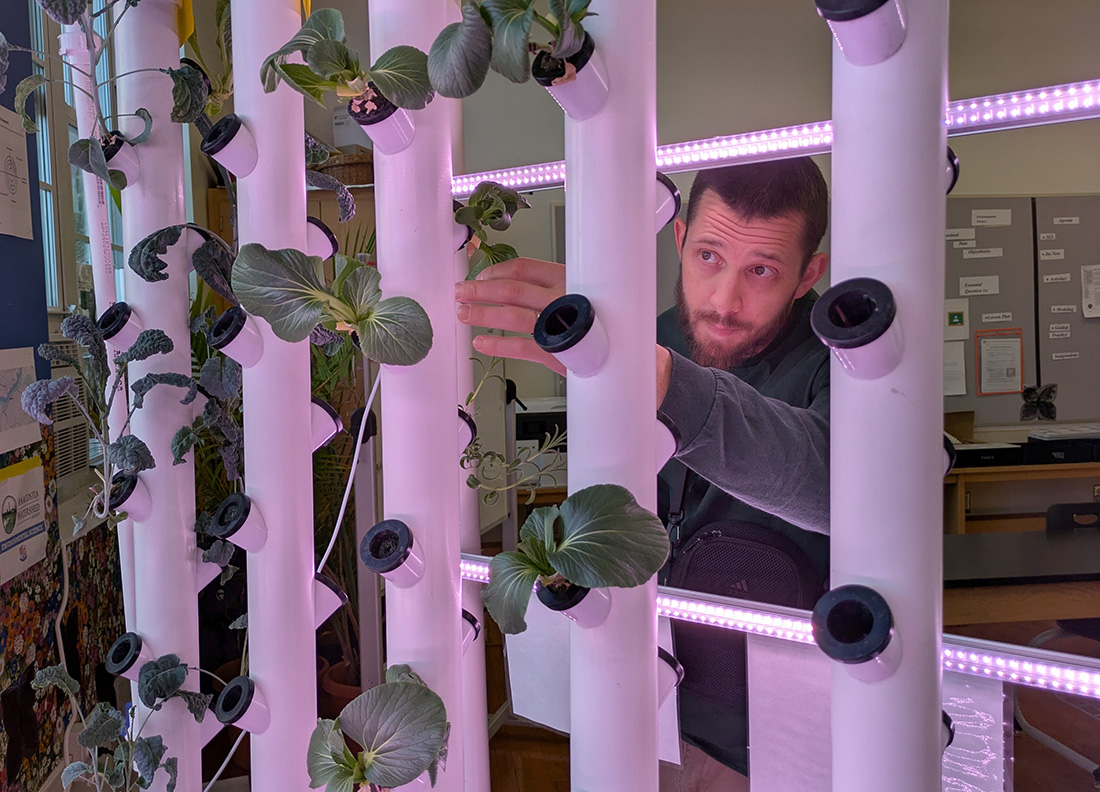 UDC’s College of Agriculture, Urban Sustainability and Environmental Sciences (CAUSES), serves as a living laboratory to support research, scholarship, leaders, and projects focused on cultivating healthy residents and cities that are resilient and sustainable.
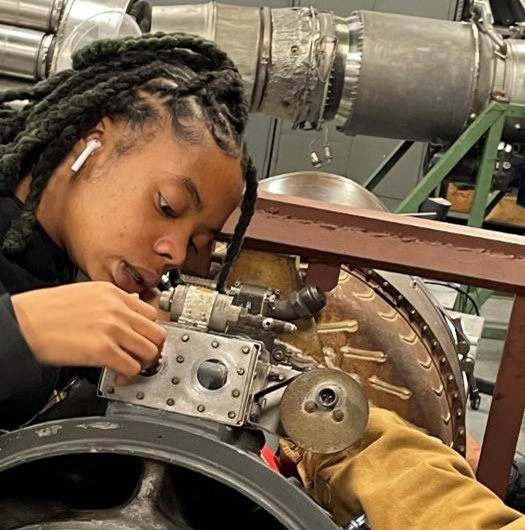 Since opening its doors in 2009, the University of the District of Columbia Community College (UDC-CC) has met students where they are — with accessible, affordable, and high-quality programs for residents of the District and the region. The associate degrees, certificates, workforce development, and lifelong learning programs are market-driven and learner focused. Its student body includes recent high school graduates, adult learners, returning students, veterans, single parents, and English Language Learners (ELLs), as well as international students representing almost every country. The UDC-CC helps students find pathways to change lives and build economic power in the District and globally.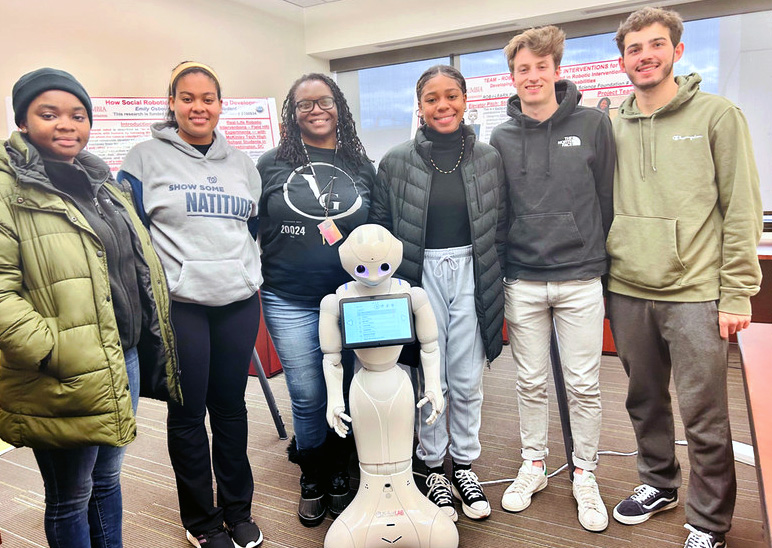
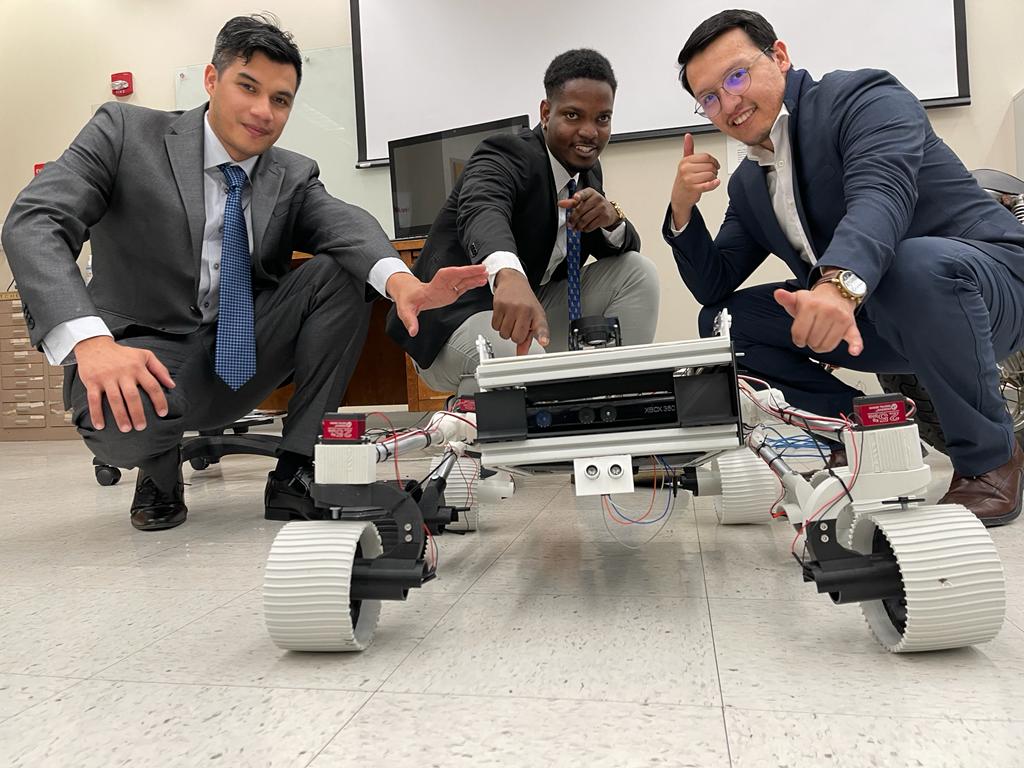 Known for innovation and collaboration, UDC’s School of Engineering and Applied Sciences (SEAS) is at the forefront of the university’s mission to turn the promise of education and research into real-world solutions. SEAS is built on four engineering programs: civil engineering, computer science and information technology (including cybersecurity), electrical engineering, and mechanical engineering. Each program offers bachelor-to-level degrees, including a Ph.D. in computer science. With a coveted ABET accreditation, SEAS maintains rigorous academic and professional standards.
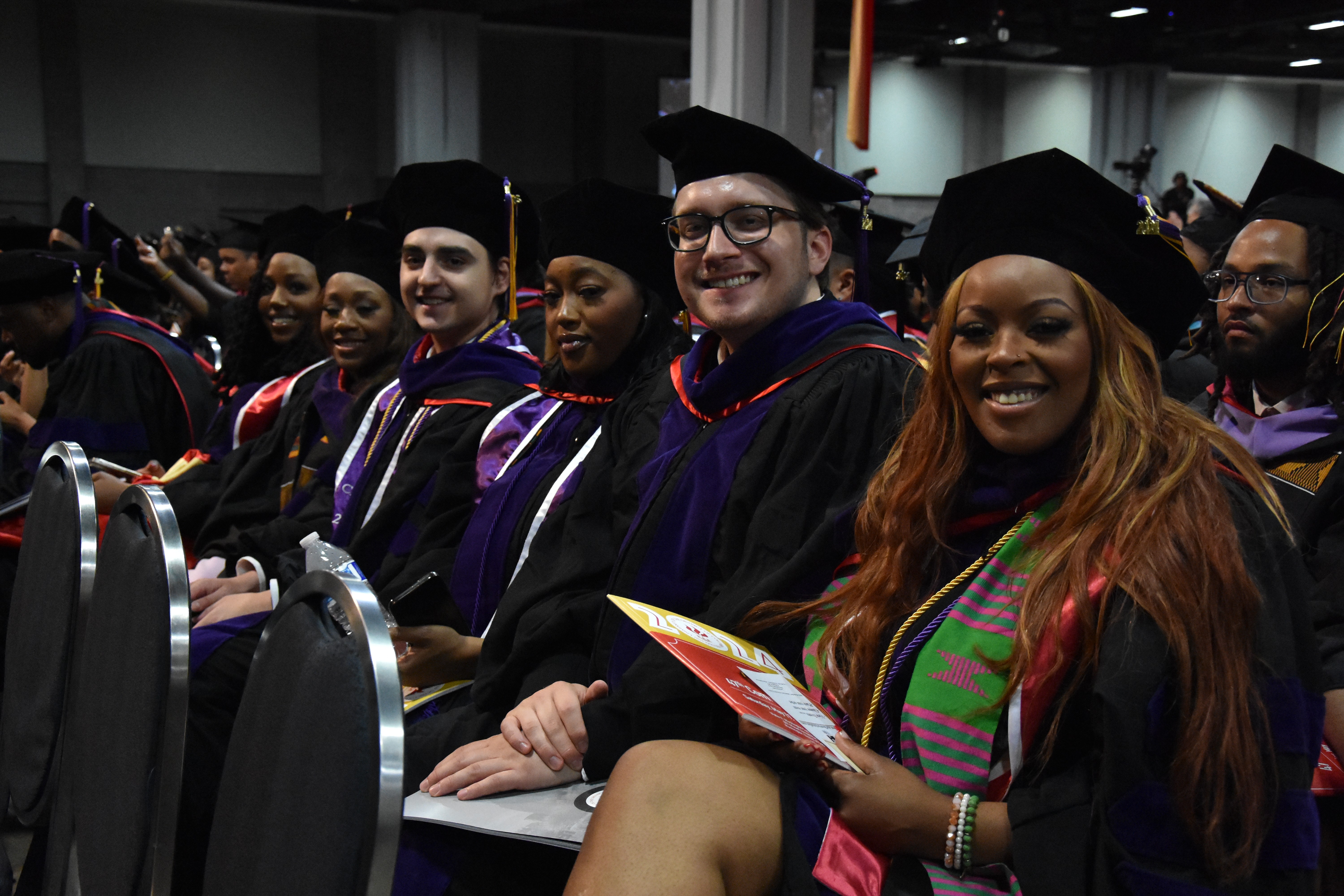 Located in the nation’s capital, the University of the District of Columbia’s David A. Clarke School of Law (UDC Law) has made a name for itself in public service and hands-on experience. It is committed to preparing students to become effective, ethically conscious lawyers in the public interest. UDC Law students receive comprehensive legal and practical training, with the largest clinical requirement of any U.S. law school. Students help those in need while serving vulnerable communities. Faculty and students provide more than 33,000 pro bono hours of essential legal services to DC residents each year!